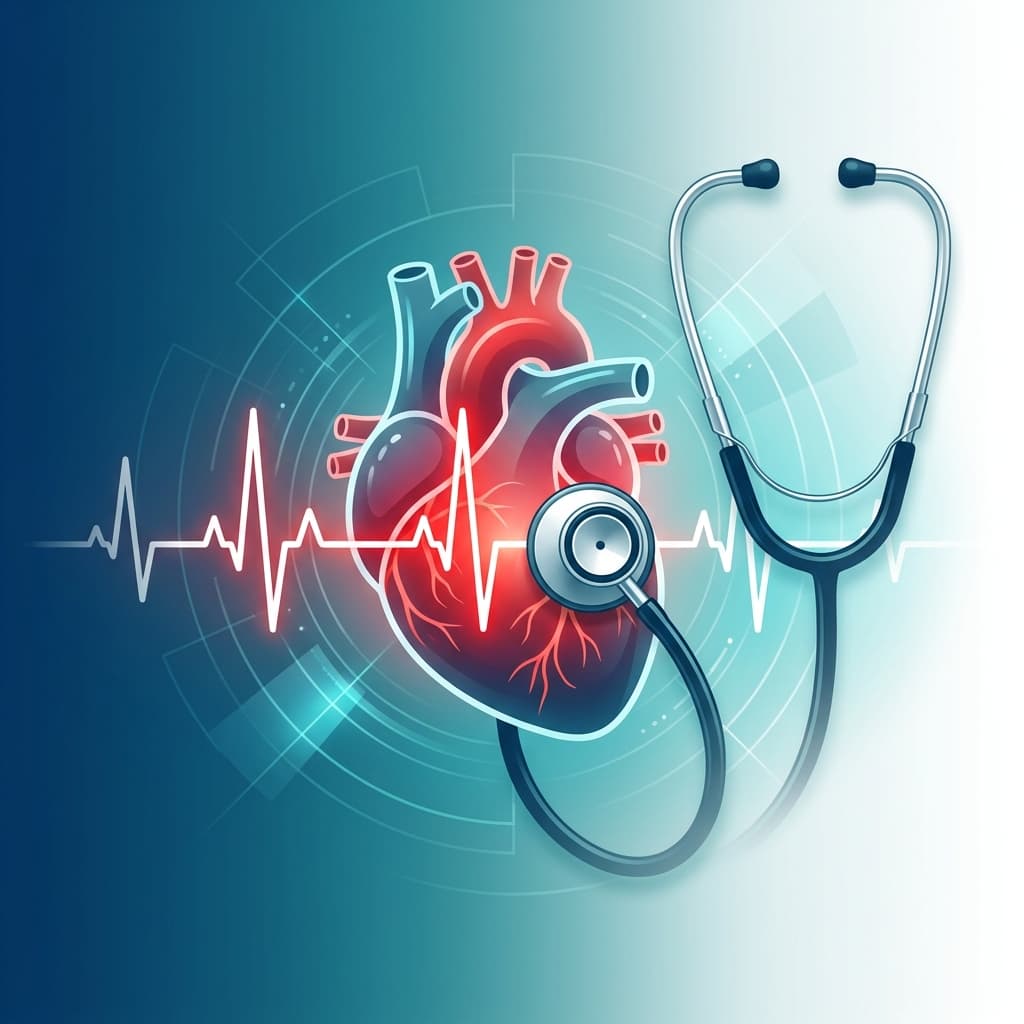
Heart disease is the leading cause of death in India. It does not always announce itself with a dramatic heart attack. Most of the time, the signs build slowly — so slowly that people explain them away as stress, age, acidity, or just tiredness.
That normalisation is exactly why cardiac problems catch families off guard. Understanding what to watch for can genuinely save a life.
Warning Signs That Need Attention
Chest Pain or Discomfort
Not all chest pain means a heart attack, but any unexplained chest tightness, pressure, or squeezing — especially during physical activity or emotional stress — should be evaluated. It can radiate to the left arm, jaw, neck, or back. Do not wait to see if it goes away.
Unexplained Breathlessness
Feeling short of breath during activities that did not previously cause it — climbing stairs, walking short distances, or even lying down flat — can be an early sign of heart failure or a blocked artery. If breathlessness is new or worsening, it deserves investigation.
Irregular Heartbeat (Palpitations)
Occasional flutters are usually harmless. But frequent palpitations, a racing heart at rest, or feeling like your heart is skipping beats can indicate arrhythmia — a condition that, if untreated, can lead to stroke or heart failure.
Persistent Fatigue
Extreme tiredness that does not improve with rest, especially in women, can be an overlooked cardiac symptom. When the heart cannot pump efficiently, the body redirects blood away from non-essential muscles, causing deep fatigue.
Swelling in Legs, Ankles, or Feet
Fluid retention that causes swelling — particularly in the lower extremities — can be a sign that the heart is not pumping blood effectively. If the swelling is persistent and leaves an indentation when pressed, it warrants medical attention.
Who Is at Higher Risk?
Risk factors for heart disease include:
- Family history of heart disease or sudden cardiac death
- Diabetes (Type 1 or Type 2)
- High blood pressure (hypertension)
- High cholesterol levels
- Smoking or tobacco use
- Sedentary lifestyle with little physical activity
- Obesity or excess abdominal fat
- Chronic stress and poor sleep patterns
- Age — risk increases significantly after 45 for men and 55 for women
Cardiac Health Checks You Should Consider
Recommended tests and checkups:
- ECG (Electrocardiogram) — Basic test to check heart rhythm and electrical activity
- 2D Echocardiography — Ultrasound of the heart to assess structure and function
- TMT (Treadmill Test) — Stress test to see how the heart performs under exertion
- Lipid Profile — Blood test to measure cholesterol and triglyceride levels
- Blood Pressure Monitoring — Regular checks, especially if you have risk factors
- Blood Sugar Testing — Diabetes significantly increases cardiac risk
When to See a Cardiologist
Do not wait for a crisis. If you have two or more risk factors, are over 40, or experience any of the warning signs above — schedule a cardiac evaluation. Early detection of conditions like blocked arteries, valve problems, or heart rhythm disorders can prevent emergencies.
Sanjivani Hospital's Sai Sanjivani Cardiac Center in Virar West offers comprehensive cardiac diagnostics including ECG, 2D Echo, TMT, and specialist cardiology consultations. For chest pain or suspected cardiac emergencies, our 24x7 Emergency Department is equipped and ready.