
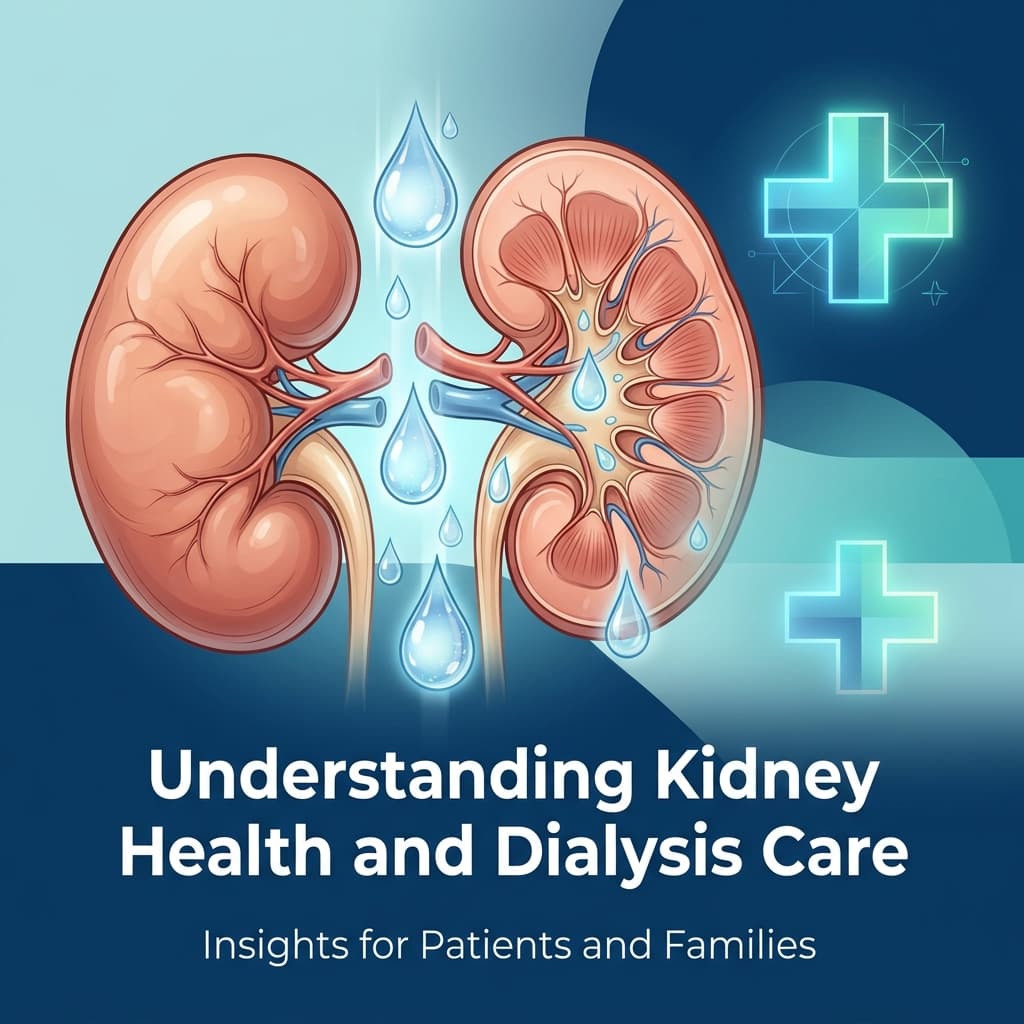
Your kidneys are tireless filters, processing about 120 to 150 quarts of blood daily to filter out waste products and excess fluids. Despite their critical importance, kidney disease is often silent, showing few or no symptoms until the kidneys are severely damaged.
Common Signs of Kidney Dysfunction
Early detection of kidney issues can prevent progression to Chronic Kidney Disease (CKD) or kidney failure. Watch out for these warning signs:
Symptoms of potential kidney problems:
- Changes in Urination: Urinating more frequently (especially at night) or seeing blood/foamy urine.
- Swelling (Edema): Fluid retention causing puffiness around the eyes, ankles, or feet.
- Persistent Fatigue: A buildup of toxins in the blood can make you feel weak or tired.
- Shortness of Breath: Extra fluid in the body can build up in your lungs.
- Itchy Skin: Dry, itchy skin can occur when the kidneys fail to balance minerals in the blood.
Tips to Keep Your Kidneys Healthy
Preventive steps for daily kidney health:
- Stay Hydrated: Drink adequate water (around 2 to 3 liters daily) to help clear sodium and toxins.
- Control Blood Sugar: Diabetes is the leading cause of kidney failure. Keep your levels controlled.
- Monitor Blood Pressure: High blood pressure can damage the blood vessels in your kidneys.
- Avoid Abuse of Painkillers: Over-the-counter NSAIDs (painkillers) can cause acute kidney injury if used regularly without a doctor's advice.
- Eat a Low-Salt Diet: Reducing sodium intake helps control blood pressure and swelling.
When is Dialysis Needed?
When kidney function drops below 10% to 15% (End-Stage Renal Disease), the kidneys can no longer filter waste products or keep up fluid balance. At this stage, dialysis or a kidney transplant is necessary to sustain life. Dialysis acts as an artificial filter to clean the blood.
Dialysis Support at Sanjivani Hospital
At Sanjivani Hospital, we believe that life-saving care should be accessible to everyone. Our dedicated Nephrology & Dialysis Unit in Virar West provides high-quality, subsidized hemodialysis services. Managed by expert nephrologists and trained dialysis technicians, we serve hundreds of kidney patients in our community with affordable, compassionate care.