Rectal pain, swelling, or bleeding can be highly uncomfortable to experience and equally embarrassing to discuss. Because of this hesitation, many people suffer in silence for months, relying on self-diagnosis. In India, almost any discomfort in the anal region is colloquially termed as 'piles'.
However, medically, Piles, Fissures, and Fistulas are three entirely different conditions. They arise from different anatomical structures and require distinct treatment pathways. Misdiagnosing yourself can lead to incorrect treatment and worsen the condition.
Understanding the Differences
Piles (Hemorrhoids)
Piles are swollen, inflamed blood vessels (veins) in the rectum and anus, similar to varicose veins. They can be internal (inside the rectum) or external (under the skin around the anus). They are typically caused by chronic constipation, straining during bowel movements, pregnancy, or heavy lifting.
Symptoms: Painless bleeding (bright red blood on toilet paper or in the bowl), itching or irritation in the anal area, swelling, and a painful lump near the anus (thrombosed hemorrhoid).
Anal Fissure
An anal fissure is a small, linear tear or cut in the moist lining (mucosa) of the anus. It usually occurs when passing hard, large, or dry stools, causing the sphincter muscle to spasm and stretch. Fissures are notorious for causing sharp, severe pain.
Symptoms: Sharp, tearing pain during and after bowel movements (which can last for hours), a visible tear in the skin around the anus, and streaks of bright red blood on stool or toilet paper.
Anal Fistula
An anal fistula is a small tunnel or track that connects an infected gland inside the anus to an opening on the skin around the anus. It typically develops after an anal abscess (a collection of pus) has drained but failed to heal completely.
Symptoms: Constant or throbbing pain that worsens when sitting or moving, recurrent pus or foul-smelling discharge from the skin opening near the anus, swelling, skin irritation, and occasional fever.
Comparing Piles, Fissure, and Fistula
Here is a quick summary to help you distinguish between the three conditions:
Key comparisons:
- Primary Pain Profile: Piles are often painless unless thrombosed or prolapsed. Fissures cause sharp, tearing pain. Fistulas cause persistent, dull throbbing pain.
- Discharge Type: Piles result in bright red blood. Fissures show small streaks of blood. Fistulas primarily discharge pus, fluid, or blood.
- Structural Change: Piles are swollen cushions of veins. Fissures are cuts or cracks in the lining. Fistulas are abnormal tunnels under the skin.
Lifestyle Tips for Prevention and Relief
Most mild cases of piles and fissures can be managed or completely prevented by improving digestive habits:
Practical digestive health tips:
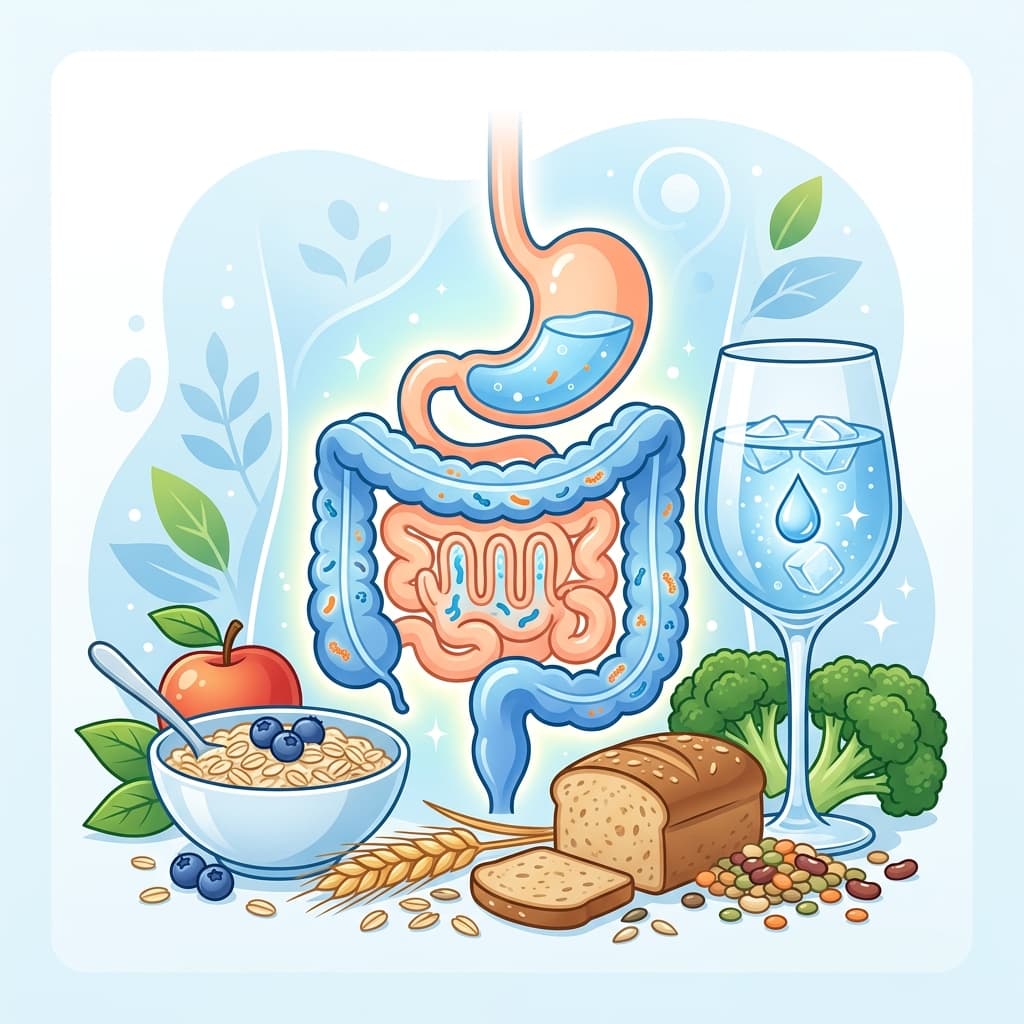
- Eat a High-Fiber Diet: Consume whole grains, green vegetables, fresh fruits (apples, papayas, pears), and legumes to soften stools.
- Stay Hydrated: Drink 8 to 10 glasses of water daily to prevent dry, hard stools.
- Do Not Strain: Avoid straining during bowel movements. Listen to your body and go when you feel the urge; holding it in hardens stools.
- Take a Sitz Bath: Soak the pelvic area in warm water for 15-20 minutes, 2-3 times a day. This relaxes the anal sphincter muscle and relieves pain.
- Avoid Long Sitting: Standing or walking occasionally helps prevent pressure on the veins in the anal area.
Advanced Treatments at Sanjivani Hospital
If lifestyle changes do not resolve your symptoms, medical or surgical evaluation is necessary. Unlike traditional open surgeries that required long hospital stays and painful dressings, modern treatments are highly advanced, minimally invasive, and virtually painless.
Sanjivani Hospital's General Surgery department offers state-of-the-art treatments: Laser Hemorrhoidoplasty (LHP) for painless piles treatment, Laser Sphincterotomy for chronic fissures, and advanced LIFT (Ligation of Intersphincteric Fistula Track) or laser ablation (FiLaC) for complex fistulas. These modern day-care procedures ensure zero cuts, minimal blood loss, and a rapid return to daily life within 24 to 48 hours.