Diabetes mellitus is often called a 'silent condition' because high blood glucose levels can develop gradually over months or years without causing dramatic discomfort. In India—where over 101 million people live with diabetes and an estimated 136 million have prediabetes according to ICMR data—recognizing subtle early warning signs can mean the difference between timely intervention and irreversible microvascular complications.
When blood sugar remains chronically elevated, glucose accumulates in the bloodstream instead of being absorbed into cells for energy. This systemic imbalance triggers distinct physiological signals across the renal, neurological, optical, and dermatological systems. Below is an in-depth clinical breakdown of classic, early, and emergency warning signs every family should understand.
The Classic Triad: Understanding the '3 Ps' of Diabetes
In clinical medicine, the most recognizable symptoms of hyperglycemia are known as the '3 Ps': Polyuria, Polydipsia, and Polyphagia. These three signals typically manifest when fasting blood glucose exceeds 140–180 mg/dL.
1. Polyuria (Frequent & Excessive Urination)
Under normal conditions, healthy kidneys filter blood and reabsorb all glucose back into the bloodstream. However, when blood glucose crosses the renal threshold (~180 mg/dL), the kidneys cannot reabsorb the excess sugar. Glucose spills into urine, drawing massive volumes of water along with it through osmotic diuresis. Individuals often notice waking up 3 to 5 times per night to pass urine (nocturia) or needing to visit the bathroom every hour during daytime.
2. Polydipsia (Unquenchable Thirst)
Polyuria drains substantial fluid volume from body tissues, causing systemic intracellular dehydration. As fluid levels drop, the brain's osmoreceptors in the hypothalamus trigger an intense, persistent thirst mechanism. Patients frequently report feeling a dry, sticky mouth and drinking liters of water throughout the day without feeling quenched.
⚠️ Clinical Warning: Quenching thirst with packaged fruit juices, carbonated sodas, or sweetened beverages dramatically accelerates blood sugar spikes and worsens osmotic dehydration.
3. Polyphagia (Constant Cellular Starvation & Hunger)
Even when blood glucose is abundantly circulating in the bloodstream, a lack of effective insulin (or high cellular resistance) prevents glucose from entering skeletal muscle and brain cells. Deprived of primary metabolic fuel, body cells send urgent hunger signals to the brain. This results in polyphagia—a state where an individual feels ravenous and craves refined carbohydrates shortly after eating a heavy meal.
Subtle Early Warning Signs Frequently Overlooked
Beyond the classic 3 Ps, high blood sugar manifests in subtle physical changes that are easily mistaken for ordinary stress, aging, or fatigue. Paying attention to these early warning indicators is crucial:
Key subtle symptoms of early diabetes and prediabetes:
- Unexplained Weight Loss: Losing 3 to 5 kg within weeks despite eating normally or more. Without glucose energy, the body rapidly breaks down fat reserves and muscle mass for fuel.
- Chronic Fatigue & Brain Fog: Persistent exhaustion, sluggishness, and difficulty concentrating because body tissues are deprived of usable energy.
- Blurred Vision & Refractive Changes: Fluctuating eyesight clarity or sudden difficulty focusing on digital screens. High blood sugar causes fluid shifts that swell the eye lens, temporarily altering its curvature.
- Slow-Healing Cuts & Bruises: Minor scratches, insect bites, or shaving nicks taking weeks to heal. Hyperglycemia impairs white blood cell phagocytosis and restricts microvascular circulation.
- Recurrent Fungal & Urinary Infections: Frequent Candida yeast infections (itching, white discharge, angular cheilitis) or recurrent UTIs. Excess sugar in urine and sweat creates a fertile breeding ground for pathogens.
- Peripheral Neuropathy (Tingling & Numbness): Pins-and-needles sensations, burning pain, or numbness in the toes, feet, or fingers caused by nerve capillary damage (vasa nervorum).
- Acanthosis Nigricans (Dark Skin Patches): Dark, velvety hyperpigmentation in body folds around the neck, armpits, groin, or knuckles. This is a visible cutaneous marker of hyperinsulinemia and insulin resistance.
Interactive Diabetes Data Visualizer & Range Explorer
Use our interactive diagnostic tool below to explore blood sugar range spectrums, body signals, comparative diabetes types, and perform a quick risk self-assessment.
Visual Diabetes Spectrum & Warning Sign Explorer
Use these interactive diagnostic gauges, symptom progression maps, and risk self-checkers to understand early metabolic changes.
Blood Glucose & HbA1c Range Spectrum
Fasting Blood Sugar (FPG)
Unit: mg/dL70 – 99 mg/dL
Optimal metabolic function after 8 hours of fasting.
100 – 125 mg/dL
Impaired Fasting Glucose (IFG). Early insulin resistance signal.
126 mg/dL or higher
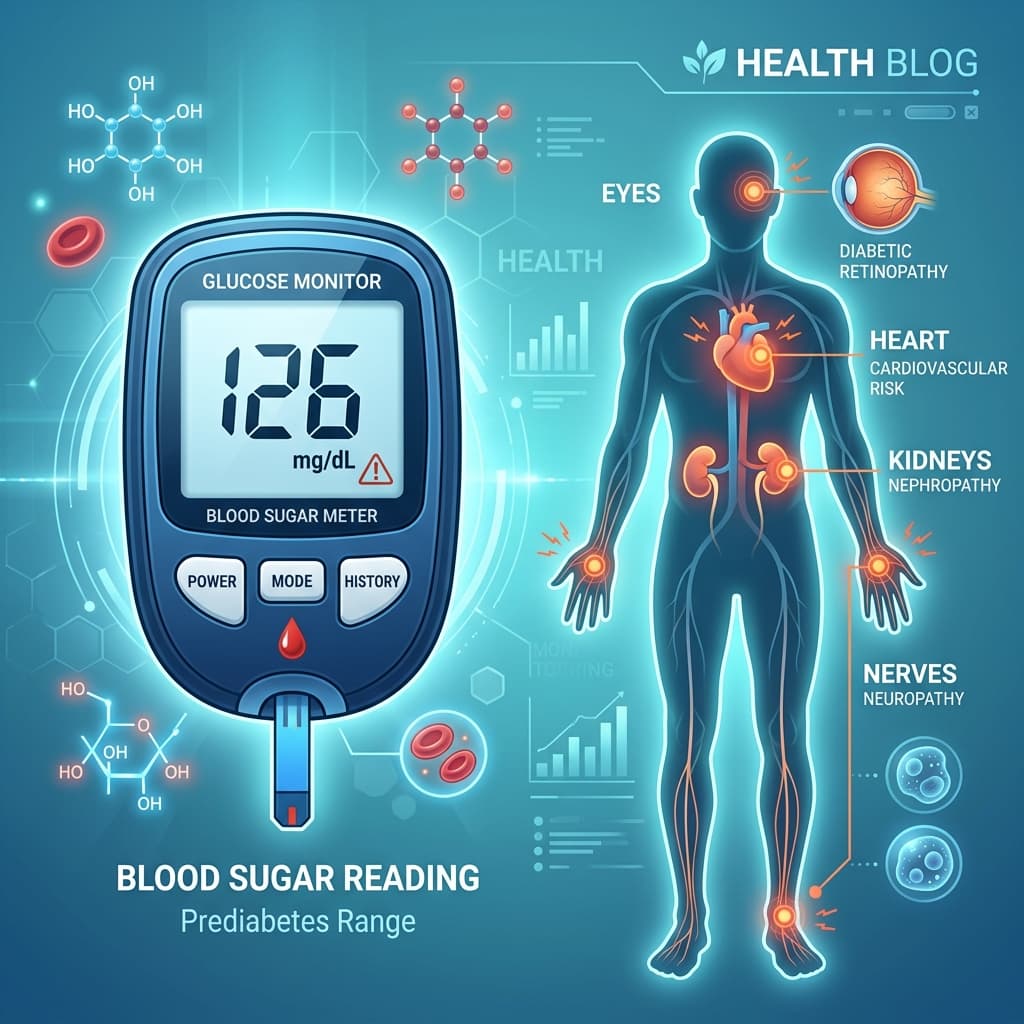
Diagnostic threshold for Diabetes Mellitus on 2 separate tests.
200+ mg/dL
Severe hyperglycemia. Urgent medical evaluation required.
Body Signals & Physiological Mechanisms
Polyuria (Excessive Urination)
High SeverityWaking up multiple times at night (nocturia) or needing to pass urine every hour.
When blood glucose exceeds renal threshold (~180 mg/dL), kidneys spill excess sugar into urine, pulling water along by osmotic diuresis.
Often mistaken for prostate issues in men or urinary infections in women, but persistent volume loss is a hallmark diabetic sign.
Polydipsia (Unquenchable Thirst)
High SeverityFeeling an unquenchable dryness in mouth and throat regardless of how much water you drink.
Polyphagia (Constant Cellular Starvation)
Moderate SeverityCraving carbohydrates and feeling ravenous soon after eating a substantial meal.
Peripheral Neuropathy (Tingling & Numbness)
High SeverityPins-and-needles, burning, or numb sensations in toes, feet, or hands, often worse at night.
Blurred Vision & Refractive Changes
Moderate SeverityDifficulty focusing on screens, sudden changes in eyesight prescription, or foggy vision.
Acanthosis Nigricans (Dark Skin Patches)
Mild SeverityVelvety, hyperpigmented dark skin folds around neck, armpits, groin, or knuckles.
Slow Wound Healing & Frequent Infections
High SeverityMinor scratches taking weeks to heal, or recurring fungal (Candida) and urinary tract infections.
Unexplained Weight Loss
High SeverityLosing 3–5 kg in a few weeks without changing diet or starting a new workout routine.
Diabetic Ketoacidosis (DKA) / HHS Red Flags
Emergency SeverityFruity acetone breath, rapid heavy breathing (Kussmaul), vomiting, severe confusion, abdominal pain.
Type 1 vs Type 2 vs Gestational Diabetes Warning Signs
| Feature / Indicator | Type 1 Diabetes | Type 2 Diabetes | Gestational Diabetes |
|---|---|---|---|
| Onset Speed | Rapid (Days to Weeks) | Gradual (Months to Years) | Develops 24th–28th week of pregnancy |
| Primary Cause | Autoimmune destruction of pancreatic beta cells | Insulin resistance + progressive secretory defect | Placental hormones blunting insulin action |
| Key Warning Symptoms | Extreme thirst, bedwetting in children, rapid weight loss, DKA | Slow wound healing, dark skin neck folds, foot tingling, fatigue | Often asymptomatic; detected via mandatory OGTT screening |
| Age Profile | Children, teens & young adults (mostly < 30) | Adults 30+, but increasingly diagnosed in youth in India | Expectant mothers during 2nd/3rd trimester |
| Ketones / DKA Risk | High Risk for DKA | Rare DKA; Risk of HHS in extreme dehydration | Low DKA risk; risk of fetal macrosomia |
Diabetes Risk & Symptom Self-Assessment
Select any symptoms or risk factors you have experienced recently for an immediate clinical suggestion.
Diagnostic Blood Sugar & HbA1c Thresholds
According to guidelines established by the American Diabetes Association (ADA) and the Indian Council of Medical Research (ICMR), diabetes and prediabetes are diagnosed using standardized laboratory blood tests:
Standard Clinical Blood Sugar Thresholds (ADA & ICMR Guidelines)
| Test Category | Normal Range | Prediabetes Range | Diabetic Diagnostic Range |
|---|---|---|---|
| Fasting Plasma Glucose (FPG) | Under 100 mg/dL | 100 – 125 mg/dL | 126 mg/dL or higher (on 2 tests) |
| 2-Hour OGTT / Post-Prandial | Under 140 mg/dL | 140 – 199 mg/dL | 200 mg/dL or higher |
| HbA1c (3-Month Glycated Avg) | Below 5.7% | 5.7% – 6.4% | 6.5% or higher |
| Random Blood Sugar (RBS) | 70 – 140 mg/dL | 140 – 199 mg/dL | 200 mg/dL + classic 3 Ps symptoms |
Type 1 vs Type 2 Warning Signs: Critical Distinctions
While both Type 1 and Type 2 diabetes involve high blood sugar, their underlying causes and warning sign timelines differ significantly:
Comparing symptom onset across diabetes types:
- Type 1 Diabetes: Rapid onset over days or weeks. Common in children, teenagers, and young adults. Symptoms present acutely with extreme thirst, sudden bedwetting, severe weight loss, and rapid progression to ketoacidosis.
- Type 2 Diabetes: Gradual, insidious onset over months or years. Common in adults over 30, but increasingly seen in younger age groups. Symptoms are mild initially and often discovered during routine blood tests.
- Gestational Diabetes: Develops during the 2nd or 3rd trimester of pregnancy (weeks 24–28). Typically asymptomatic; detected through mandatory oral glucose tolerance screening during prenatal care.
🚨 Acute Emergency Red Flags: DKA & HHS
MEDICAL EMERGENCY WARNING: Diabetic Ketoacidosis (DKA) and Hyperosmolar Hyperglycemic State (HHS) are acute, life-threatening metabolic crises requiring emergency room transport. Seek urgent ER care at Sanjivani Hospital Virar if any of the following occur:
- Fruity or acetone (nail polish remover) breath odor
- Rapid, deep, gasping breathing (Kussmaul breathing)
- Severe persistent nausea, vomiting, and acute abdominal pain
- Extreme confusion, lethargy, dizziness, or inability to stay awake
- Glucometer blood sugar reading exceeding 300 mg/dL with ketones in urine
What to Do If You Experience Warning Signs
If you or a family member notice one or more of these warning signs, do not wait for symptoms to worsen. Early diagnostic evaluation at Sanjivani Hospital includes:
Recommended clinical evaluation steps:
- Pathology Screening: Fasting Blood Sugar, Post-Prandial Sugar, and HbA1c testing at Sanjivani Pathology Laboratory.
- Comprehensive Organ Function Check: Kidney Function Test (Serum Creatinine & Urine Microalbumin) and Lipid Profile to evaluate metabolic health.
- Specialist Consultation: Detailed examination with our General Medicine and Endocrinology physicians to establish a personalized care plan.