
The thyroid is a small, butterfly-shaped gland located at the base of your neck, just below the Adam's apple—yet it controls virtually every metabolic process in your body. From how fast your heart beats, how efficiently you burn calories, how warm or cold you feel, how well you think and concentrate, to how healthy your hair and skin look—it all depends on the proper functioning of this tiny gland. When the thyroid produces too little or too much hormone, the consequences ripple through every organ system.
India is facing a thyroid epidemic. According to published epidemiological data, an estimated 42 million Indians suffer from thyroid disorders, and the prevalence of hypothyroidism alone is approximately 11% in the general population—significantly higher than the global average of 4–5%. What makes thyroid disease particularly dangerous is its silent, insidious nature: the symptoms develop so gradually that most patients attribute them to ageing, stress, or a busy lifestyle. Studies suggest that nearly 1 in 3 Indians with thyroid dysfunction remain undiagnosed for years, allowing preventable complications like heart disease, infertility, osteoporosis, and severe depression to develop.
This comprehensive guide will help you understand what the thyroid gland does, recognize the 11 most commonly missed warning signs of thyroid dysfunction, decode your thyroid blood test results like a medical professional, and explore every proven treatment option—from medication to surgery—so you can take charge of your thyroid health with confidence.
What Is the Thyroid Gland? Understanding Its Critical Role
The thyroid gland is an endocrine (hormone-producing) organ that sits in the front of the neck, wrapped around the trachea (windpipe). Shaped like a butterfly, it has two lobes (left and right) connected by a thin bridge called the isthmus. Despite weighing only 15 to 25 grams, the thyroid is the body's master metabolic regulator.
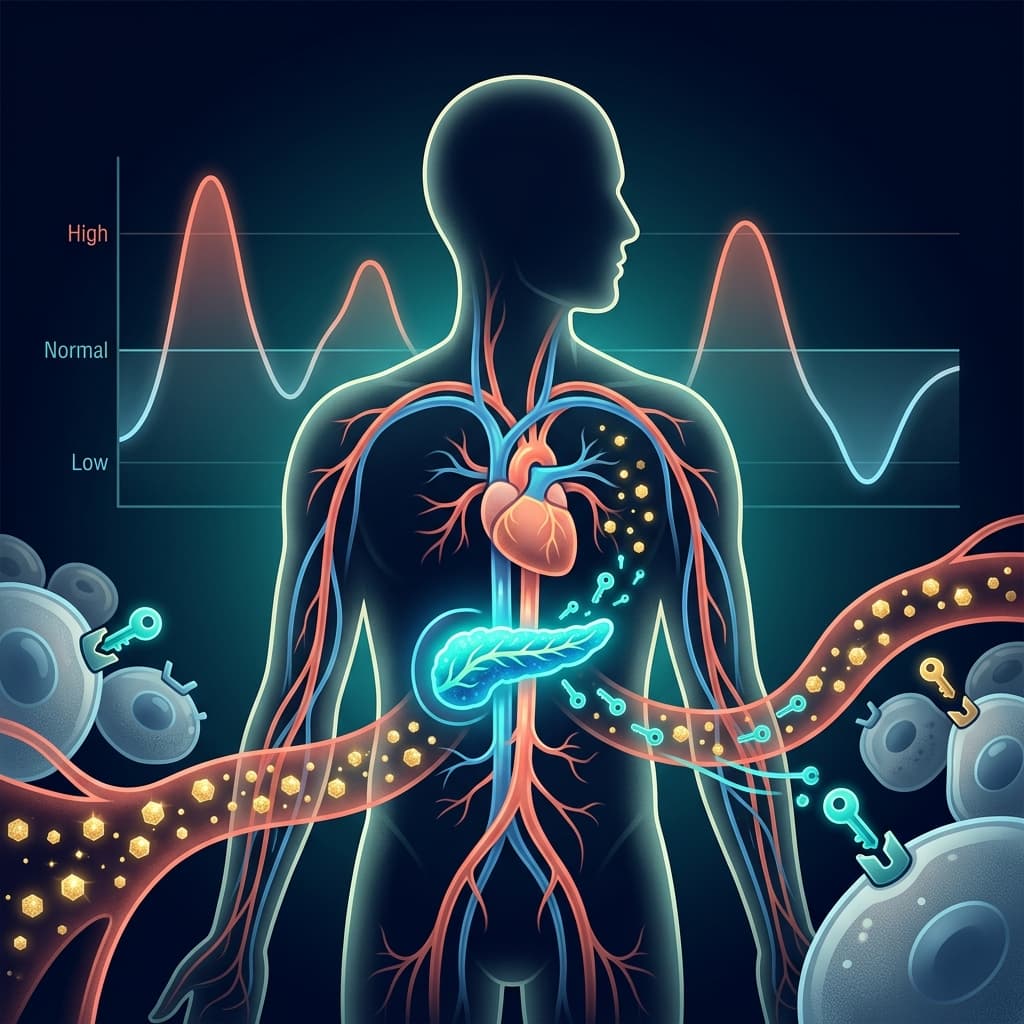
The thyroid produces two primary hormones: Thyroxine (T4) and Triiodothyronine (T3). T4 is the storage form—produced in large quantities but relatively inactive. T3 is the active form that directly controls cellular metabolism. About 80% of T3 is produced by converting T4 to T3 in peripheral tissues (liver, kidneys, muscles). The production of T3 and T4 is regulated by a feedback loop involving the pituitary gland (which releases Thyroid Stimulating Hormone, or TSH) and the hypothalamus (which releases Thyrotropin-Releasing Hormone, or TRH).
KEY INSIGHT — THE TSH FEEDBACK LOOP: When thyroid hormone levels drop too low, the pituitary gland releases MORE TSH to stimulate the thyroid to produce more hormone (TSH rises = hypothyroidism). When thyroid hormone levels are too high, the pituitary reduces TSH production (TSH drops = hyperthyroidism). This is why TSH is the single most important screening test for thyroid disorders—it moves in the OPPOSITE direction to thyroid hormone levels.

Types of Thyroid Disorders: A Complete Classification
Thyroid disorders fall into several categories based on whether the gland is underactive, overactive, inflamed, enlarged, or harboring nodules. Understanding the type is critical for appropriate treatment:
Major Types of Thyroid Disorders
| Disorder | What It Means | Prevalence in India | Key Feature |
|---|---|---|---|
| Hypothyroidism | Thyroid gland produces INSUFFICIENT hormones (T3 & T4); TSH is elevated | ~11% of population; more common in women, iodine-deficient areas, and after age 35 | Metabolism slows down—weight gain, fatigue, cold intolerance, depression |
| Hyperthyroidism | Thyroid gland produces EXCESS hormones; TSH is suppressed | ~2–3% of population; peaks in women aged 20–50 | Metabolism speeds up—weight loss, palpitations, anxiety, heat intolerance, tremors |
| Hashimoto's Thyroiditis | Autoimmune condition where antibodies (Anti-TPO) attack and gradually destroy thyroid tissue | Most common cause of hypothyroidism worldwide | Slow, progressive thyroid failure; goiter may be present; strong genetic component |
| Graves' Disease | Autoimmune condition where antibodies (TSI) stimulate the thyroid to overproduce hormones | Most common cause of hyperthyroidism; 5–10x more common in women | Diffuse goiter, eye bulging (Graves' ophthalmopathy), skin changes (pretibial myxedema) |
| Goiter | Enlarged thyroid gland—can occur with hypothyroidism, hyperthyroidism, or normal function | Common in iodine-deficient regions (Himalayan belt, tribal areas) | Visible neck swelling; may cause difficulty swallowing or breathing if large |
| Thyroid Nodules | Solid or fluid-filled lumps within the thyroid gland | Found in ~12–15% of adults on clinical examination; up to 50% on ultrasound | Usually benign (95%); requires FNAC biopsy if >1 cm or suspicious features on ultrasound |
| Thyroid Cancer | Malignant growth in the thyroid gland—papillary (80%), follicular, medullary, anaplastic | Incidence rising but still relatively uncommon (~3–4 per 100,000) | Painless neck lump, hoarseness, difficulty swallowing; excellent prognosis for papillary type (>95% cure rate) |
| Subclinical Hypothyroidism | Mildly elevated TSH (4.5–10 mIU/L) with NORMAL T3 & T4 levels | Up to 8–10% of Indian adults; more common in women over 40 | May be asymptomatic or cause subtle fatigue, mild weight gain; debated whether to treat |
11 Silent Symptoms of Thyroid Disorders You Should Never Ignore
The biggest challenge with thyroid disorders is that the symptoms are non-specific—they overlap with dozens of other conditions and are easily dismissed as 'normal' ageing, stress, or lifestyle issues. Here are the 11 most commonly missed warning signs:
1. Unexplained Weight Changes
Hypothyroidism causes a slowed metabolism, leading to gradual, unexplained weight gain of 3–10 kg even without changes in diet or activity. The weight is often diffuse and includes significant water retention (myxedema). Hyperthyroidism causes the opposite—rapid, unintentional weight loss despite eating normally or even more than usual, because the body burns calories at an accelerated rate. If you're gaining weight despite dieting, or losing weight despite eating well—your thyroid should be checked.
2. Persistent Fatigue & Low Energy
Feeling exhausted despite sleeping 8–9 hours, needing afternoon naps, or feeling 'drained' by simple daily activities is one of the earliest and most universal symptoms of hypothyroidism. The reduced thyroid hormone slows down cellular energy production (mitochondrial ATP synthesis) in every cell. In hyperthyroidism, patients may also experience fatigue—but it's usually from insomnia, muscle wasting, and nervous system hyperactivation rather than metabolic slowdown.
3. Hair Loss & Skin Changes
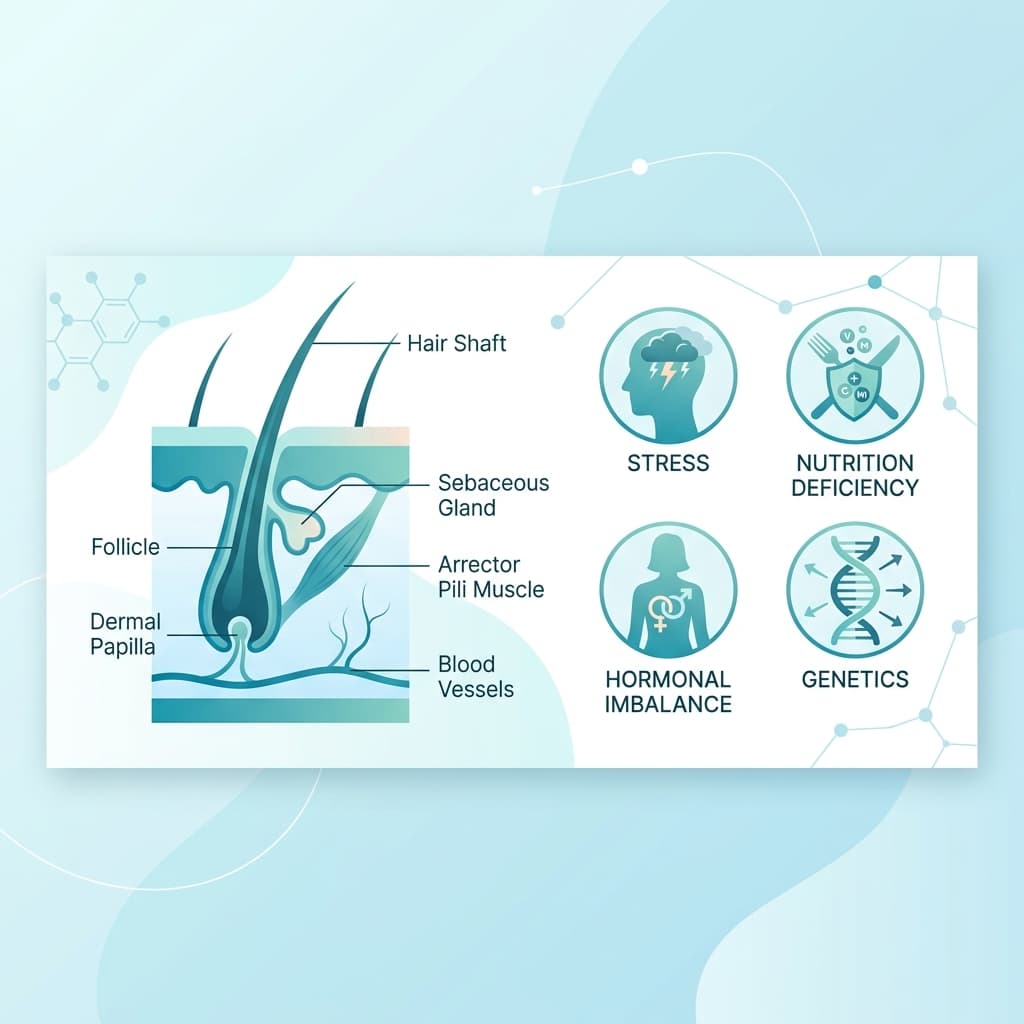
Thyroid hormones directly regulate hair follicle cycling and skin cell turnover. In hypothyroidism, patients notice diffuse hair thinning (not patchy), hair that becomes dry, brittle, and coarse, and characteristic loss of the outer one-third of the eyebrows (Queen Anne's sign). Skin becomes dry, rough, pale, and cool. In hyperthyroidism, hair becomes fine and thin, and the skin may become warm, moist, and velvety. Nails may become brittle and develop ridges in both conditions.
4. Temperature Sensitivity (Cold or Heat Intolerance)
The thyroid is your body's internal thermostat. In hypothyroidism, reduced metabolic heat generation causes persistent cold intolerance—you feel cold when everyone else is comfortable, need extra blankets, and have cold hands and feet year-round. In hyperthyroidism, the overactive metabolism generates excess heat, causing heat intolerance—excessive sweating, feeling warm in air-conditioned rooms, and preferring cold environments.
5. Mood Changes, Depression & Anxiety
Thyroid hormones directly affect brain neurotransmitter levels—serotonin, dopamine, and GABA. Hypothyroidism is strongly linked to clinical depression, apathy, brain fog, poor concentration, and memory problems. Many patients are prescribed antidepressants for years without anyone checking their thyroid. Hyperthyroidism causes anxiety, irritability, nervousness, emotional instability, and in severe cases, psychosis. If conventional antidepressants aren't working, a thyroid panel should be mandatory.
6. Menstrual Irregularities & Fertility Issues
Thyroid hormones have a direct relationship with reproductive hormones. In hypothyroidism, women commonly experience heavy, prolonged, or frequent periods (menorrhagia), severe PMS, and difficulty conceiving. In hyperthyroidism, periods become light, infrequent, or may stop altogether (amenorrhea). Uncontrolled thyroid dysfunction is a significant cause of infertility, recurrent miscarriages, and pregnancy complications in India—yet it is frequently overlooked during fertility workups.
7. Elevated Cholesterol & Heart Problems
Thyroid hormones regulate lipid (fat) metabolism. Hypothyroidism causes elevated LDL cholesterol and triglycerides even in young, otherwise healthy individuals—increasing the risk of atherosclerosis and heart disease. If your cholesterol is high despite a healthy diet and exercise, hypothyroidism may be the hidden culprit. Hyperthyroidism causes rapid heart rate (tachycardia), palpitations, and in the elderly, can trigger atrial fibrillation—a dangerous irregular heart rhythm.
8. Constipation or Diarrhea
The thyroid controls gut motility—the speed at which food moves through the digestive tract. Hypothyroidism slows gut motility, causing chronic constipation that doesn't respond well to dietary fiber or laxatives alone. Hyperthyroidism accelerates gut motility, causing frequent loose stools or diarrhea, increased appetite, and malabsorption.
9. Muscle & Joint Pain, Weakness
Hypothyroidism causes myalgia (muscle pain), joint stiffness, and generalized weakness—often misdiagnosed as fibromyalgia or early arthritis. Carpal tunnel syndrome (numbness and tingling in the hands) is significantly more common in hypothyroid patients. Hyperthyroidism causes proximal muscle weakness (difficulty climbing stairs, lifting arms above the head) due to accelerated protein breakdown.
10. Neck Swelling or Difficulty Swallowing
A visibly enlarged thyroid (goiter) or a palpable lump in the neck is a direct sign of thyroid pathology. Patients may notice their collar feels tighter, have difficulty swallowing solid food, or experience a sensation of something 'stuck' in the throat. Any persistent neck swelling, hoarseness of voice, or difficulty breathing should prompt immediate thyroid evaluation including ultrasound.
11. Puffy Face, Swollen Eyes & Water Retention
Hypothyroidism causes a characteristic periorbital puffiness (swelling around the eyes, especially in the morning) and generalized facial puffiness due to accumulation of mucopolysaccharides in tissues (myxedema). This is different from allergic swelling—it's non-pitting, does not indent when pressed, and gives the face a 'doughy' appearance. In Graves' disease (hyperthyroidism), the eyes may protrude (exophthalmos), appearing unusually wide and staring.
RED FLAG — SEEK IMMEDIATE MEDICAL ATTENTION if you experience: Severe swelling of the face, tongue, and throat with breathing difficulty (myxedema crisis — medical emergency in severe hypothyroidism). Rapid heart rate above 150 bpm with fever, confusion, and agitation (thyroid storm — life-threatening emergency in uncontrolled hyperthyroidism). Sudden hoarseness of voice with a rapidly growing hard neck lump (possible thyroid cancer).
Causes & Risk Factors: Who Gets Thyroid Disorders?
Factors that significantly increase your risk of developing a thyroid disorder:
- Gender (Female) — Women are 5 to 8 times more likely to develop thyroid disorders than men, particularly during puberty, pregnancy, postpartum, and menopause—periods of significant hormonal fluctuation.
- Autoimmune Predisposition — Having a personal or family history of autoimmune diseases (Type 1 diabetes, rheumatoid arthritis, vitiligo, celiac disease, lupus) increases the risk of Hashimoto's thyroiditis and Graves' disease significantly.
- Iodine Deficiency or Excess — Iodine is the essential raw material for thyroid hormone synthesis. Deficiency (common in Himalayan regions and tribal areas of India) causes goiter and hypothyroidism. Paradoxically, sudden excess iodine intake (from iodinated contrast dyes, amiodarone, or kelp supplements) can also trigger thyroid dysfunction.
- Age Over 35 — The prevalence of hypothyroidism increases steadily with age. By age 60, approximately 20% of women and 5% of men have some degree of thyroid dysfunction.
- Pregnancy & Postpartum — Pregnancy triggers significant immune system changes. Approximately 5–10% of women develop postpartum thyroiditis within 12 months of delivery, which can cause transient hyperthyroidism followed by hypothyroidism.
- Family History of Thyroid Disease — Having a first-degree relative (parent, sibling) with thyroid disease doubles or triples your own risk, especially for Hashimoto's and Graves' disease.
- Radiation Exposure — Prior radiation therapy to the head, neck, or chest area (for cancers like lymphoma or childhood leukaemia) increases the lifetime risk of hypothyroidism and thyroid nodules.
- Certain Medications — Lithium (for bipolar disorder), amiodarone (for heart rhythm disorders), interferon-alpha (for hepatitis C), and immune checkpoint inhibitors (for cancer) are known to cause thyroid dysfunction.
- Smoking — Cigarette smoking is a well-established risk factor for Graves' disease and significantly worsens Graves' ophthalmopathy (eye involvement). The risk is dose-dependent—heavier smoking = higher risk.
- Chronic Stress — Prolonged physical or emotional stress modulates immune function and may trigger or worsen autoimmune thyroid conditions in genetically predisposed individuals.
- Vitamin D & Selenium Deficiency — Both micronutrients play critical roles in thyroid hormone metabolism and immune regulation. Deficiencies are extremely common in India and are independently associated with higher rates of autoimmune thyroid disease.
The Complete Thyroid Blood Test Panel: What to Test & How to Read Results
Getting the right thyroid tests is crucial—many doctors only check TSH, which can miss subtle thyroid dysfunction. Here is the complete panel that endocrinologists recommend for a thorough evaluation:
Complete Thyroid Function Test Panel with Interpretation
| Test | What It Measures | Normal Range | What Abnormal Results Suggest |
|---|---|---|---|
| TSH (Thyroid Stimulating Hormone) | Pituitary signal to thyroid — the most sensitive screening test | 0.4 – 4.0 mIU/L (optimal: 1.0 – 2.5) | High TSH (>4.5) = Hypothyroidism; Low TSH (<0.4) = Hyperthyroidism |
| Free T4 (Free Thyroxine) | Unbound, active circulating thyroxine level | 0.8 – 1.8 ng/dL | Low Free T4 + High TSH = confirmed primary hypothyroidism. High Free T4 + Low TSH = confirmed hyperthyroidism |
| Free T3 (Free Triiodothyronine) | The most metabolically active thyroid hormone | 2.3 – 4.2 pg/mL | Elevated in early hyperthyroidism (T3 thyrotoxicosis). Low in severe hypothyroidism and 'Low T3 syndrome' during illness |
| Anti-TPO Antibodies (Anti-Thyroid Peroxidase) | Autoimmune markers — antibodies attacking thyroid enzyme | < 35 IU/mL | Elevated in Hashimoto's thyroiditis (>90% of cases) and some cases of Graves' disease. Confirms autoimmune cause |
| Anti-Thyroglobulin Antibodies (Anti-Tg) | Antibodies against thyroid protein thyroglobulin | < 40 IU/mL | Elevated in Hashimoto's (60–70% of cases). Also used for monitoring thyroid cancer recurrence after treatment |
| TSH Receptor Antibodies (TRAb / TSI) | Antibodies that stimulate the TSH receptor — specific to Graves' disease | < 1.75 IU/L | Elevated = confirms Graves' disease. Also used to predict neonatal thyrotoxicosis in pregnant women with Graves' |
| Thyroid Ultrasound | Imaging of thyroid structure — size, nodules, blood flow | Normal: homogeneous echotexture, no nodules | Identifies goiter, thyroiditis (heterogeneous pattern), nodules (solid vs cystic), and suspicious features needing biopsy |
| FNAC (Fine Needle Aspiration Cytology) | Biopsy of thyroid nodules — determines if benign or malignant | Bethesda Category I (non-diagnostic) to VI (malignant) | Recommended for all nodules >1 cm or with suspicious ultrasound features (irregular borders, microcalcifications, taller-than-wide shape) |
WHEN TO GET TESTED: Every woman over 35 should have a thyroid screening test (at minimum TSH) every 5 years, or sooner if experiencing symptoms. All women planning pregnancy or in the first trimester MUST get TSH tested — untreated thyroid disease causes serious complications for both mother and baby. Men with unexplained fatigue, weight changes, or family history should also be screened.
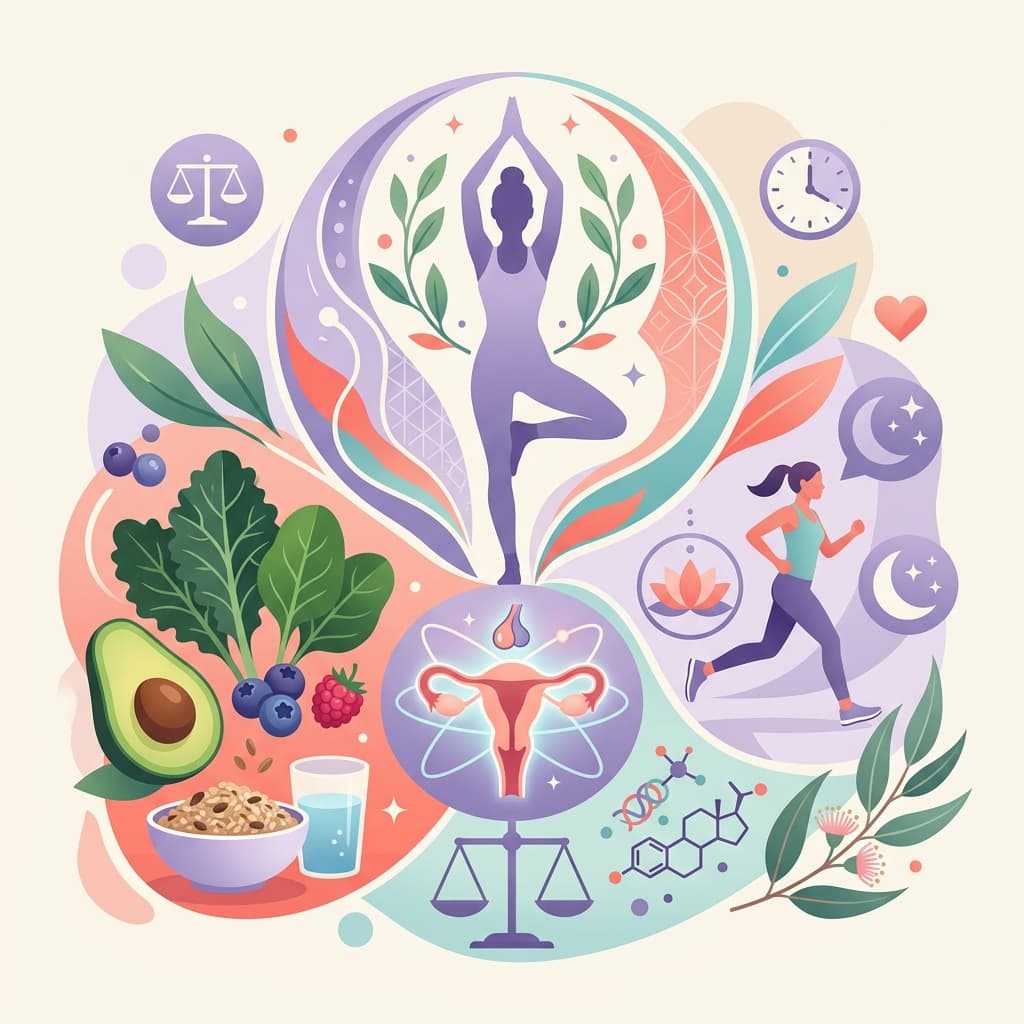
Home Management & Lifestyle Strategies for Thyroid Health
While thyroid disorders require medical treatment, these evidence-based lifestyle strategies significantly support thyroid function, improve medication effectiveness, and reduce symptoms:
1. Optimise Iodine Intake
Iodine is the essential building block of thyroid hormones. Use iodised salt consistently (India's universal salt iodisation program has significantly reduced iodine deficiency goiter). Natural iodine sources include seafood (fish, prawns), dairy products (milk, curd), and eggs. However, avoid excessive iodine supplementation (kelp tablets, seaweed supplements) as this can paradoxically worsen thyroid dysfunction, especially in Hashimoto's patients.
2. Ensure Adequate Selenium & Zinc
Selenium is critical for converting T4 to the active T3 hormone and for protecting the thyroid gland from oxidative damage. Good Indian food sources include Brazil nuts (the richest source — just 2 nuts/day provide 100% of daily needs), eggs, fish, mushrooms, sunflower seeds, and garlic. Zinc supports thyroid hormone synthesis and immune regulation — found in pumpkin seeds, sesame seeds, chickpeas, cashews, and paneer.
3. Manage Stress Actively
Chronic stress elevates cortisol, which directly impairs T4-to-T3 conversion, weakens the immune system (worsening autoimmune thyroid disease), and disrupts the hypothalamic-pituitary-thyroid axis. Practice daily stress management: yoga (particularly slow-paced styles like Hatha or Yin), pranayama (deep breathing exercises — especially Ujjayi breathing and Anulom Vilom), meditation for 15–20 minutes daily, and progressive muscle relaxation.
4. Exercise Regularly (But Wisely)
Regular moderate exercise boosts thyroid hormone sensitivity, improves mood, helps manage weight, and reduces inflammation. For hypothyroid patients: aim for 30–45 minutes of moderate exercise (brisk walking, cycling, swimming) 5 days a week. Avoid overtraining or extreme endurance exercise, which can suppress thyroid function further. For hyperthyroid patients: stick to low-impact activities (walking, yoga, gentle swimming) until hormone levels are controlled, as excessive exercise can worsen tachycardia and muscle wasting.
5. Take Medication Correctly
Levothyroxine (the standard treatment for hypothyroidism) is one of the most improperly taken medications. For maximum absorption: take it first thing in the morning on a completely empty stomach, with plain water only (not tea, coffee, or milk). Wait at least 30–60 minutes before eating breakfast. Do not take calcium supplements, iron tablets, antacids, or multivitamins within 4 hours of your thyroid medication — they drastically reduce absorption.
PRO TIP: Many Indian patients take levothyroxine with chai (tea) or immediately before breakfast, then wonder why their TSH isn't improving. The tannins in tea and calcium in milk can reduce levothyroxine absorption by up to 50%. Set a daily alarm to take your thyroid pill with plain water the moment you wake up — before brushing, tea, or any other medication.
Thyroid-Friendly Indian Diet: What to Eat & What to Avoid
Thyroid-Supportive Foods vs Foods to Moderate
| Eat More (Thyroid-Supportive) | Eat in Moderation (Goitrogenic — can interfere with thyroid in EXCESS) |
|---|---|
| Iodised salt (use consistently in all cooking) | Raw cruciferous vegetables in excess — cauliflower (gobi), cabbage (patta gobhi), broccoli, radish (mooli), turnip (shalgam) — cooking deactivates goitrogens, so cooked is fine |
| Curd / yoghurt (dahi) — good source of iodine and probiotics | Soy products in excess (soy milk, tofu, soy chunks) — isoflavones can interfere with thyroid medication absorption and hormone production |
| Eggs — rich in iodine, selenium, and protein (eat whole eggs) | Highly processed and refined foods — maida, bakery items, deep-fried snacks — promote inflammation |
| Fish and seafood — prawns, pomfret, mackerel (bangda), sardines — excellent iodine and omega-3 source | Excessive caffeine (>3 cups tea/coffee daily) — can interfere with thyroid medication absorption |
| Brazil nuts (2 per day) — richest natural source of selenium | Alcohol in excess — impairs thyroid hormone production and worsens liver T4-to-T3 conversion |
| Pumpkin seeds, sunflower seeds, flaxseeds — zinc, selenium, and omega-3 | Pearl millet (bajra) in excess — contains C-glycosyl flavones that may suppress thyroid function when iodine intake is already low |
| Fresh fruits — bananas, berries, oranges, papaya, amla — antioxidants and Vitamin C | Gluten (in some patients) — celiac disease and gluten sensitivity are more common in Hashimoto's patients; consider screening if symptoms persist |
| Turmeric (haldi) — anti-inflammatory properties, supports immune balance | Excess sugar and sugary drinks — worsen insulin resistance, which is linked to worsening thyroid dysfunction |
| Coconut oil (in moderation) — medium-chain fatty acids may support metabolic rate | Raw spinach (palak) in very large quantities — contains oxalates that may interfere with thyroid; cooked spinach is safe |
IMPORTANT: The 'goitrogenic' foods listed above (cauliflower, cabbage, broccoli, soy) are HEALTHY foods and should NOT be eliminated from your diet. They only pose a concern when consumed in large quantities RAW and when iodine intake is already insufficient. Normal cooking (boiling, steaming, sautéing) deactivates most goitrogens. A balanced diet with adequate iodine makes these foods perfectly safe for thyroid patients.
Medical Treatment Options for Thyroid Disorders
The treatment of thyroid disorders depends on the specific type, severity, and individual patient factors. Here is a comprehensive overview of all evidence-based treatment options:
Treatment for Hypothyroidism
Hypothyroidism Treatment Protocols
| Treatment | How It Works | Standard Dosing | Key Monitoring |
|---|---|---|---|
| Levothyroxine (Eltroxin / Thyronorm) | Synthetic T4 hormone — replaces what the thyroid cannot produce. The body converts it to active T3 as needed. | Starting dose: 25–50 mcg/day (adjusted every 6–8 weeks based on TSH). Full replacement: ~1.6 mcg/kg/day. | TSH checked every 6–8 weeks until stable, then every 6–12 months. Target TSH: 0.5–2.5 mIU/L for most adults. |
| Liothyronine (Cytomel — T3) | Synthetic T3 hormone — the active form. Used in rare cases where patients cannot convert T4 to T3 adequately. | 5–25 mcg/day in divided doses (short half-life). Usually as add-on to levothyroxine. | Free T3 levels, heart rate, bone density. Used cautiously due to risk of cardiac complications. |
| Combination T4 + T3 Therapy | A combination of levothyroxine with low-dose liothyronine for patients who remain symptomatic on T4 alone despite normal TSH. | Standard T4 dose with 5–10 mcg T3 added. Ratio of ~13:1 to 20:1 (T4:T3). | Controversial; major guidelines don't routinely recommend it but some patients report significant symptom improvement. |
| Natural Desiccated Thyroid (NDT) | Derived from pig thyroid glands — contains both T4 and T3 in a fixed ratio. Brands: Armour Thyroid, WP Thyroid. | 30–120 mg daily. Not commonly prescribed in India. | Less consistent hormone levels. Not recommended as first-line by most endocrinology guidelines. |
Treatment for Hyperthyroidism
Hyperthyroidism Treatment Options
| Treatment | How It Works | Best For | Considerations |
|---|---|---|---|
| Anti-Thyroid Medications (Methimazole / Carbimazole) | Blocks thyroid hormone production by inhibiting the TPO enzyme that organifies iodine. | First-line for newly diagnosed Graves' disease. Also used to prepare patients for surgery or RAI. | Taken for 12–18 months; remission rate ~40–50% for Graves'. Monitor CBC (rare risk of agranulocytosis — low white cells). |
| Propylthiouracil (PTU) | Similar mechanism to methimazole but also blocks peripheral T4-to-T3 conversion. | Preferred in FIRST TRIMESTER of pregnancy (methimazole has teratogenic risk in early pregnancy). Also used in thyroid storm. | Higher risk of liver toxicity than methimazole. Generally not used long-term unless necessary. |
| Beta-Blockers (Propranolol) | Does not treat the thyroid directly but rapidly controls symptoms — palpitations, tremor, anxiety, sweating. | Used as symptomatic relief alongside anti-thyroid drugs until hormone levels normalise (usually 4–8 weeks). | Not suitable for patients with asthma or very low heart rate. Does not affect thyroid hormone levels. |
| Radioactive Iodine (RAI) Therapy | Patient takes a single oral dose of Iodine-131. The radioactive iodine concentrates in the thyroid and destroys overactive thyroid cells. | Definitive treatment for Graves' disease when medications fail or relapse occurs. Also for toxic multinodular goiter. | Causes permanent hypothyroidism in most patients (then treated with levothyroxine lifelong). Contraindicated in pregnancy. Avoid close contact with children for several days. |
| Thyroidectomy (Surgical Removal) | Partial or total surgical removal of the thyroid gland. | Large goiter causing compressive symptoms. Suspected thyroid cancer. Graves' ophthalmopathy. Patient preference or contraindication to RAI. | Requires lifelong thyroid hormone replacement after total thyroidectomy. Risks include damage to recurrent laryngeal nerve (voice changes) and hypoparathyroidism (low calcium). |
Thyroid & Pregnancy: Critical Information for Expectant Mothers
Thyroid health during pregnancy is absolutely critical because the developing baby depends entirely on the mother's thyroid hormones for brain development during the first trimester (before the fetal thyroid gland becomes functional at 12–14 weeks). Uncontrolled hypothyroidism during pregnancy increases the risk of miscarriage, preterm birth, pre-eclampsia, gestational diabetes, low birth weight, and impaired cognitive development (lower IQ) in the child.
Essential thyroid guidelines for pregnancy:
- Get TSH tested before conception or as soon as pregnancy is confirmed. Target TSH for pregnant women: < 2.5 mIU/L in the first trimester, < 3.0 in second and third trimesters.
- Levothyroxine dose usually needs to increase by 30–50% during pregnancy. Women on thyroid medication should increase their dose by 2 extra tablets per week immediately upon confirming pregnancy, then get TSH checked within 2 weeks.
- Anti-TPO positive women with normal TSH are at higher risk of developing hypothyroidism during pregnancy and should be monitored every 4–6 weeks.
- Methimazole is contraindicated in the first trimester due to risk of birth defects (aplasia cutis, choanal atresia). If anti-thyroid treatment is needed, PTU is preferred in early pregnancy.
- Postpartum thyroiditis affects 5–10% of women within 12 months of delivery — presents as transient hyperthyroidism (2–6 months postpartum) followed by hypothyroidism (4–8 months postpartum). Most cases resolve spontaneously, but ~20% develop permanent hypothyroidism.
- All women with infertility should be screened for thyroid disorders — even subclinical hypothyroidism (TSH 4.5–10) can impair fertility and should be treated before conception.
WARNING FOR PREGNANT WOMEN: If you are on thyroid medication and discover you are pregnant, DO NOT stop your medication. Contact your doctor immediately to adjust the dose. Stopping levothyroxine during pregnancy can cause serious harm to the developing baby's brain. Thyroid medication is safe during pregnancy and breastfeeding.
When Should You See a Doctor for Thyroid Symptoms?
Consult a physician or endocrinologist promptly if you experience:
- Unexplained weight gain or weight loss of more than 3–5 kg over 2–3 months without dietary changes
- Persistent fatigue, low energy, or excessive sleepiness despite adequate rest for more than 3–4 weeks
- Feeling unusually cold or hot compared to others around you — persistent temperature intolerance
- Hair thinning, dry skin, or loss of outer eyebrow hair that is progressive
- Menstrual irregularities — heavy periods, missed periods, or difficulty conceiving for more than 6 months
- Unexplained elevated cholesterol, especially in patients under 40 with healthy lifestyles
- A visible swelling or lump in the front of the neck — even if painless
- Palpitations, tremors, or anxiety that is new and unexplained
- Depression or brain fog that is not responding to conventional treatment
- Family history of thyroid disorders combined with any of the above symptoms
Thyroid Myths vs Medical Facts
Common Thyroid Myths Debunked with Medical Evidence
| Myth | Medical Fact |
|---|---|
| Thyroid problems only affect women | While women are 5–8x more likely to develop thyroid disorders, men are also affected — approximately 3–5% of Indian men have hypothyroidism. Men are often diagnosed later because doctors and patients don't suspect thyroid disease in males. |
| If my TSH is normal, my thyroid is fine | TSH alone can miss early thyroid dysfunction. Free T4, Free T3, and thyroid antibodies (Anti-TPO) should be tested for a complete picture — especially if symptoms persist despite 'normal' TSH. |
| Eating cabbage and cauliflower causes thyroid problems | Cruciferous vegetables contain goitrogens, but only pose a risk when consumed raw in MASSIVE quantities (several kg daily) with concurrent iodine deficiency. Normal cooked consumption is safe and even beneficial. |
| Once you start thyroid medication, you can never stop | Depends on the cause. Hashimoto's hypothyroidism usually requires lifelong medication. But transient hypothyroidism (postpartum thyroiditis, subacute thyroiditis, drug-induced) may resolve, allowing medication withdrawal under medical supervision. |
| Thyroid medication causes weight gain | This is backwards — levothyroxine (thyroid replacement) should help normalise weight. If you're gaining weight on thyroid medication, the dose may be insufficient, or other factors (insulin resistance, PCOS, diet) need addressing. |
| Thyroid disease can be cured with Ayurvedic or homeopathic remedies alone | No herbal or alternative remedy has been scientifically proven to replace thyroid hormone in hypothyroidism. Complementary therapies may support overall wellness but should NEVER replace prescribed thyroid medication — doing so risks dangerous complications. |
Prevention & Thyroid Health Maintenance
10 actionable habits to protect and support your thyroid health:
- Use iodised salt consistently — Check the label for 'iodised' and store salt in an airtight container away from moisture and heat (iodine evaporates from open containers).
- Get screened every 3–5 years after age 35, especially if you are a woman, have a family history, or have autoimmune conditions. One simple TSH blood test can detect thyroid dysfunction early.
- Correct Vitamin D deficiency — With 70–90% of Indians being Vitamin D deficient, supplementation (after blood test confirmation) protects against autoimmune thyroid disease.
- Include selenium-rich foods daily — Just 2 Brazil nuts per day provide 100% of your selenium needs. Selenium reduces thyroid antibody levels and supports T4-to-T3 conversion.
- Quit smoking — Smoking significantly increases the risk and severity of Graves' disease and worsens thyroid eye disease. There is no safe level of smoking for thyroid health.
- Manage stress proactively — Chronic stress is a known trigger for autoimmune thyroid disease flares. Incorporate daily relaxation — yoga, meditation, deep breathing, or a nature walk.
- Avoid excessive iodine supplementation — Unless prescribed by your doctor, do not take iodine tablets, kelp supplements, or seaweed extracts. Excess iodine can trigger or worsen thyroid dysfunction.
- Limit endocrine disruptors — BPA (in plastic bottles), phthalates, and perchlorate (in some water sources) interfere with thyroid function. Use glass or steel containers, avoid microwaving food in plastic.
- Maintain a healthy gut — Emerging research links gut microbiome health to autoimmune thyroid disease. Include probiotics (dahi, buttermilk) and prebiotic fibre (banana, garlic, onion) daily.
- Never ignore subtle symptoms — Thyroid disease is often called 'The Great Mimicker' because its symptoms mimic stress, ageing, depression, and menopause. If something feels persistently 'off,' get tested.
Expert Thyroid Care at Sanjivani Hospital, Virar
The Department of General Medicine and Endocrinology at Sanjivani Hospital, Virar West, provides comprehensive thyroid evaluation, diagnosis, and long-term management. Our physicians offer complete thyroid function testing (TSH, Free T3, Free T4, Anti-TPO, thyroid ultrasound), personalised treatment plans, medication dose optimisation, nutritional counselling, and coordinated care with gynaecology (for pregnancy-related thyroid issues), cardiology (for thyroid-related heart complications), and surgery (for goiter, nodules, or suspected malignancy).
Don't let thyroid symptoms silently steal your quality of life. Book a thyroid screening consultation at Sanjivani Hospital, Virar West, and take the first step toward understanding and managing your thyroid health. Early detection and proper treatment can completely restore your energy, weight, mood, and overall well-being. Contact our reception desk or visit our OPD during regular consulting hours.
The Bottom Line
Key takeaways from this comprehensive thyroid guide:
- Thyroid disorders are extremely common in India — affecting over 42 million people, with women being 5–8 times more likely to be affected. Nearly 1 in 3 cases remain undiagnosed.
- The symptoms are silent and gradual — fatigue, weight changes, hair loss, mood disturbances, and menstrual irregularities are often dismissed as 'normal' but may signal thyroid dysfunction.
- A simple TSH blood test can detect the problem — and a complete panel (TSH, Free T4, Free T3, Anti-TPO) provides the full picture. Every woman over 35 should be screened.
- Treatment is highly effective — Levothyroxine for hypothyroidism and anti-thyroid medications or radioactive iodine for hyperthyroidism can fully restore normal thyroid function and eliminate symptoms.
- Thyroid health is in your hands — iodised salt, selenium-rich foods, regular exercise, stress management, and timely screening can prevent or catch thyroid disorders early, before complications develop.