India is in the grip of an obesity epidemic that is unfolding unlike anything the world has seen before. According to the World Obesity Atlas 2026, approximately one in four Indian adults — nearly 30% of those aged 15–49 — is now classified as overweight or obese. Even more alarming, India ranks second globally (after China) in childhood obesity, with an estimated 41 million children aged 5–19 carrying excess weight. Yet what makes India's obesity crisis uniquely dangerous is not just the numbers — it's the biology.
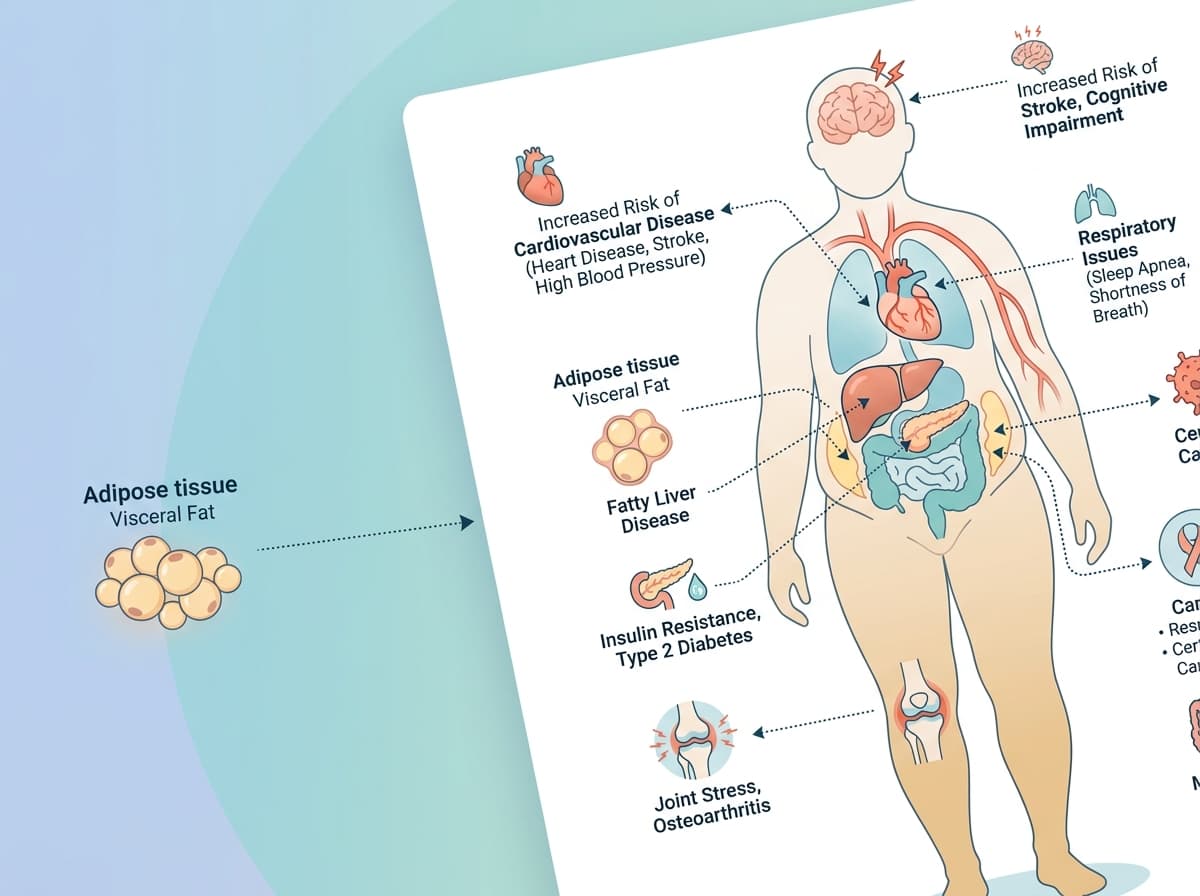
Unlike Western populations where obesity is often visually obvious, millions of Indians carry a hidden metabolic time bomb known as the 'thin-fat' phenotype — where individuals appear lean or 'normal' on the outside but harbour dangerously high levels of visceral fat (fat packed around internal organs like the liver, pancreas, and heart). Research estimates that 32% of Indian adults have this phenotype, and the landmark ICMR-INDIAB study found that a staggering 43.3% of Indians are 'metabolically obese but normal weight' (MONO) — meaning they face the same diabetes, heart disease, and stroke risk as clinically obese individuals, despite having a BMI below 25.
This comprehensive guide will help you understand why Indians get obese differently than Western populations, identify the 10 hidden causes of weight gain that go far beyond 'eating too much', learn practical Indian-food-based dietary strategies, and explore every proven treatment option — from lifestyle changes to bariatric surgery — so you can take evidence-based action for your health and your family's health.
What Is Obesity? More Than Just 'Being Overweight'
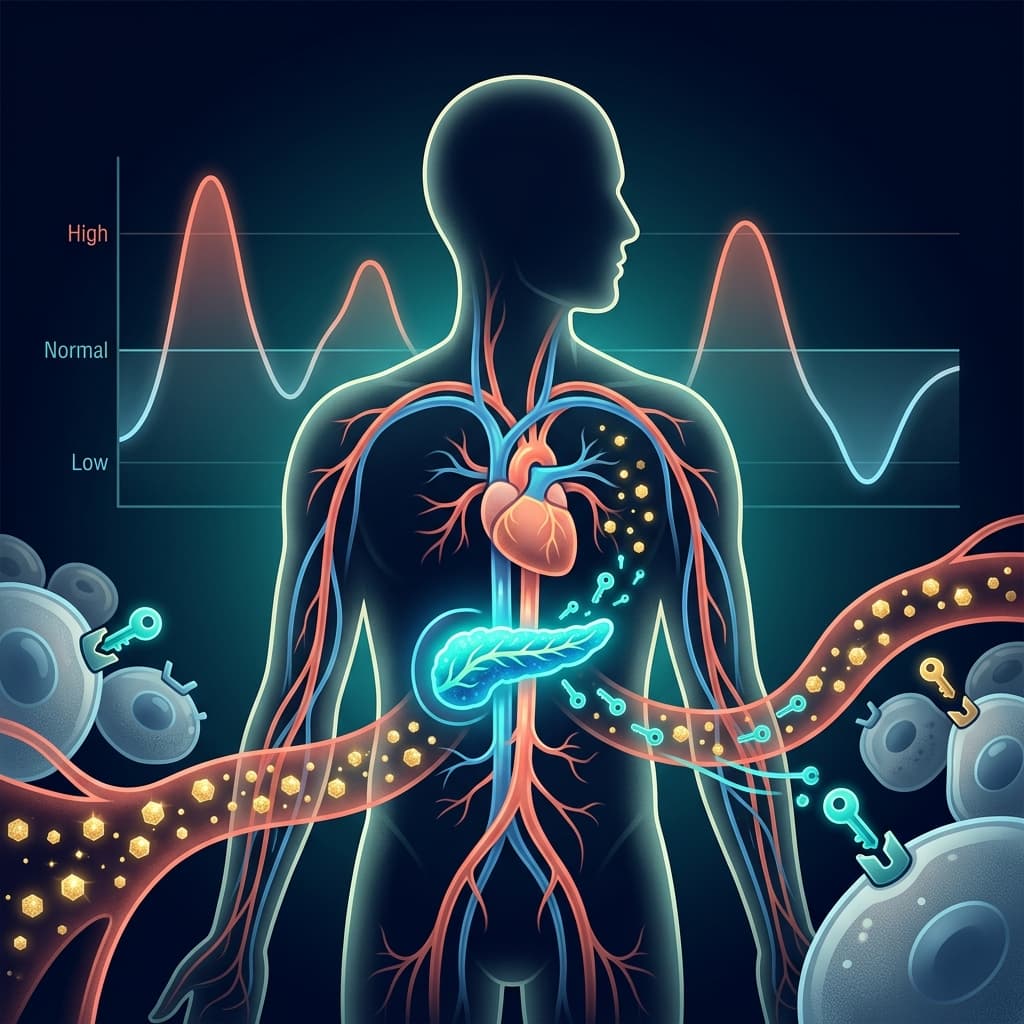
Obesity is now recognised internationally as a chronic, complex, relapsing medical disease — not a lifestyle choice, not a lack of willpower, and not simply 'eating too much'. The World Health Organization (WHO) defines obesity as abnormal or excessive fat accumulation that presents a risk to health. It is characterised by a disruption in the body's energy regulation system — involving hormones (leptin, ghrelin, insulin), brain appetite centres (hypothalamus), gut microbiome, genetic factors, and environmental influences.
The most commonly used measure is the Body Mass Index (BMI), calculated as weight (kg) divided by height (m) squared. However — and this is critically important for Indians — the standard international BMI thresholds significantly underdiagnose obesity in South Asian populations because Indians develop metabolic complications at much lower BMI levels. The ICMR and the Obesity Surgery Society of India (OSSI) now recommend India-specific BMI thresholds.
BMI Classification: International vs Indian-Specific Thresholds
| Category | International (WHO) BMI | Indian-Specific BMI | Key Implication |
|---|---|---|---|
| Normal Weight | 18.5 – 24.9 kg/m² | 18.5 – 22.9 kg/m² | Indians develop insulin resistance and metabolic risk at lower BMI |
| Overweight | 25.0 – 29.9 kg/m² | 23.0 – 24.9 kg/m² | Risk of Type 2 diabetes already significantly elevated for Indians in this range |
| Obese (Class I) | 30.0 – 34.9 kg/m² | 25.0 – 29.9 kg/m² | Many Indians at BMI 25 already have metabolic profiles equivalent to BMI 30 in Europeans |
| Obese (Class II) | 35.0 – 39.9 kg/m² | 30.0 – 34.9 kg/m² | High risk of cardiovascular events, fatty liver, sleep apnoea |
| Obese (Class III / Morbid) | ≥ 40.0 kg/m² | ≥ 35.0 kg/m² | Life-threatening; bariatric surgery strongly recommended |
CRITICAL FOR INDIANS: If you are an Indian adult with a BMI of 23 or above, you are already in the 'overweight' category by Indian standards — even though international charts would call you 'normal'. Additionally, a waist circumference above 90 cm for men or 80 cm for women (Indian threshold) signals dangerous visceral fat accumulation regardless of BMI. Don't rely on BMI alone — ask your doctor to measure your waist circumference and assess your metabolic health.
The 'Thin-Fat' Indian Phenotype: Why BMI Alone Fails Indians
The concept of the 'thin-fat' Indian was first described by the late Dr. Yajnik of Pune, India, who demonstrated that Indian babies are born smaller but with proportionally higher body fat and lower muscle mass compared to Caucasian babies. This pattern persists into adulthood — many Indians who look thin or 'normal weight' by appearance have high body fat percentages (especially visceral fat), low muscle mass, insulin resistance, and dyslipidaemia (abnormal cholesterol). This is why India has one of the highest rates of Type 2 diabetes globally despite having a lower average BMI than Western nations.
Practically, this means: you cannot determine if you are metabolically healthy by looking in the mirror or stepping on a scale alone. Indians should prioritise measuring waist circumference (a simple tape measure around the belly button), waist-to-hip ratio, fasting insulin levels, HbA1c, and lipid profile — in addition to BMI — for accurate health risk assessment.
10 Hidden Causes & Risk Factors for Obesity in India
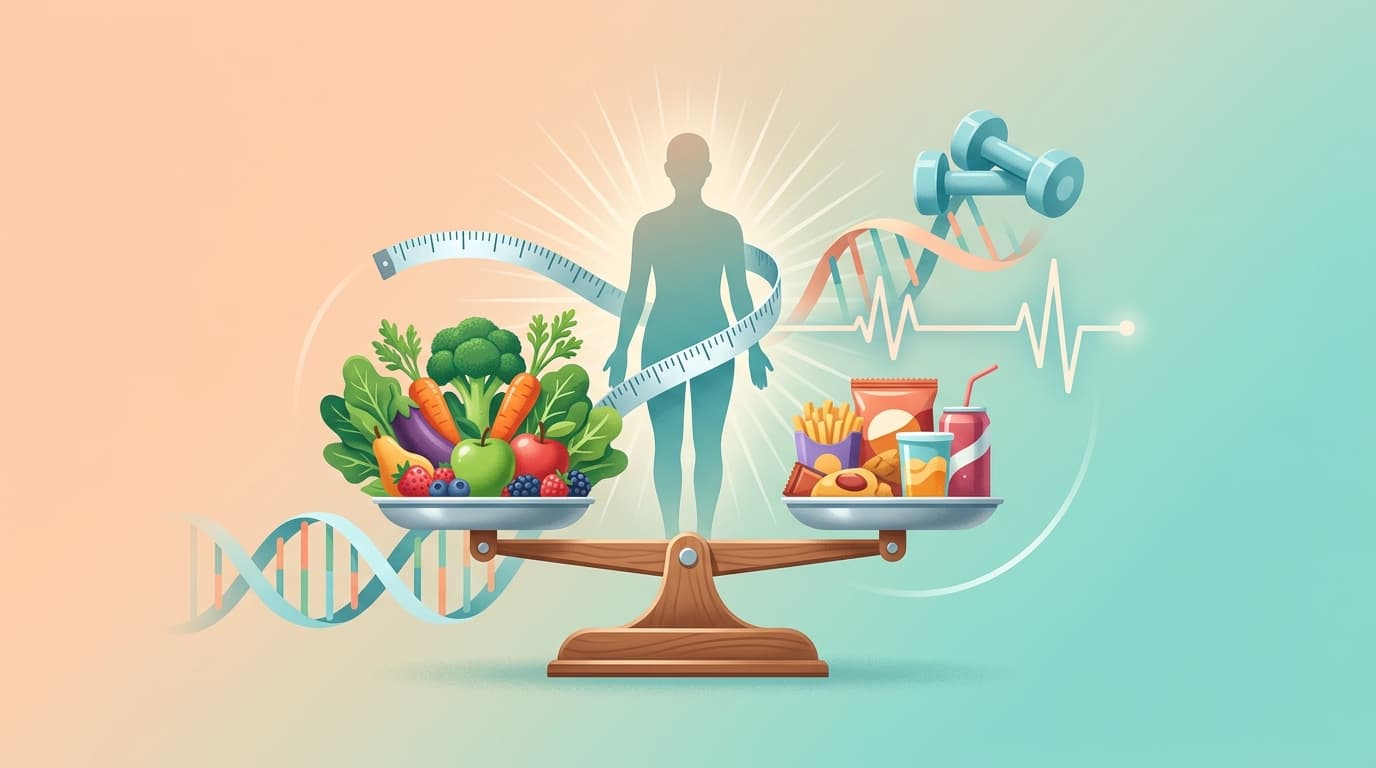
Obesity is far more complex than 'calories in, calories out'. Here are the 10 most significant and often overlooked causes:
- Genetic Predisposition — Research has identified over 200 genes linked to body weight regulation. If both parents are obese, a child has a 70–80% chance of becoming obese. Specific gene variants (FTO, MC4R) are prevalent in South Asian populations and affect appetite hormones, fat storage patterns, and metabolic rate.
- The Indian Carb-Heavy Diet — Traditional Indian meals are heavily carbohydrate-dominant: rice, roti, paratha, poori, naan — often with relatively small portions of protein and vegetables. This creates repeated insulin spikes, promotes fat storage (particularly visceral fat), and reduces satiety. The average Indian diet derives 60–70% of calories from carbohydrates, far higher than recommended.
- Sedentary Lifestyle & Urbanisation — India's rapid urbanisation has created a 'sitting epidemic'. Desk jobs, long commutes, screen-based entertainment, and a decline in manual labour mean millions of Indians burn far fewer calories than their grandparents did. Studies show urban Indians walk fewer than 3,500 steps per day on average — well below the 7,000–10,000 recommended.
- Ultra-Processed Food Invasion — Packaged snacks (biscuits, chips, namkeen), sugary beverages (cold drinks, packaged juices, sweetened lassi), instant noodles, bakery products made with maida (refined flour), and ready-to-eat meals have infiltrated Indian kitchens. These are calorie-dense, nutrient-poor, and engineered to override natural satiety signals.
- Sleep Deprivation & Poor Sleep Quality — Getting fewer than 6–7 hours of sleep increases ghrelin (hunger hormone) by up to 28% and decreases leptin (satiety hormone) by 18%. Chronic sleep deprivation also raises cortisol, promoting visceral fat deposition. India has one of the highest rates of sleep deprivation globally, especially in urban areas.
- Chronic Stress & Cortisol — High-stress lifestyles trigger the release of cortisol, which specifically promotes fat storage in the abdominal area (visceral fat). Stress also drives emotional eating, cravings for sugar and fried foods, and disrupts sleep — creating a vicious cycle of weight gain.
- Hormonal Imbalances — Hypothyroidism (underactive thyroid), PCOS (polycystic ovary syndrome — affects 1 in 5 Indian women), insulin resistance, and Cushing's syndrome are medical conditions that cause weight gain independent of diet and exercise. These must be screened for in anyone struggling to lose weight.
- Medications — Several commonly prescribed medications cause significant weight gain: certain antidepressants (mirtazapine, amitriptyline), antipsychotics (olanzapine, risperidone), corticosteroids (prednisolone), beta-blockers, insulin, and some diabetes medications (sulfonylureas, pioglitazone). Never stop medication without consulting your doctor — but ask about weight-neutral alternatives.
- Gut Microbiome Dysbiosis — Emerging research reveals that the composition of gut bacteria significantly influences weight regulation, fat storage, and inflammation. An imbalanced gut microbiome — caused by antibiotics overuse, processed food, low fibre intake, and lack of fermented foods — promotes calorie extraction from food and systemic inflammation that drives obesity.
- Socioeconomic & Environmental Factors — In urban India, healthier food options (fresh vegetables, fruits, lean protein) are often more expensive and less accessible than calorie-dense processed foods. Lack of safe walking spaces, parks, and sports facilities in congested neighbourhoods further limits physical activity. Food advertising, especially targeting children, promotes unhealthy choices.
Warning Signs: How to Know If Your Weight Is Affecting Your Health
Obesity doesn't just affect appearance — it silently damages multiple organ systems. Watch for these warning signs:
- Persistent fatigue and low energy — Despite adequate sleep, feeling constantly tired or needing naps may indicate insulin resistance, sleep apnoea, or metabolic dysfunction caused by excess weight.
- Snoring, gasping during sleep, or excessive daytime sleepiness — These are hallmarks of Obstructive Sleep Apnoea (OSA), which affects over 50% of obese adults and significantly increases stroke and heart attack risk.
- Darkening of skin folds (Acanthosis Nigricans) — Velvety, dark patches on the neck, armpits, groin, or knuckles are a visible sign of insulin resistance and prediabetes, commonly seen in overweight Indians.
- Shortness of breath during mild exertion — Difficulty climbing stairs, walking short distances, or performing routine tasks may indicate that excess weight is straining the heart and lungs.
- Joint pain, especially in knees and lower back — Every 1 kg of excess body weight adds 4 kg of pressure on the knees during walking. Obesity is the single biggest modifiable risk factor for osteoarthritis.
- Frequent heartburn or acid reflux (GERD) — Abdominal obesity increases intra-abdominal pressure, pushing stomach acid upward. Chronic GERD can lead to Barrett's oesophagus and oesophageal cancer.
- Irregular periods, difficulty conceiving, or excess facial hair in women — These may indicate PCOS, which is worsened by obesity and improves significantly with even 5–10% weight loss.
- Elevated blood sugar, cholesterol, or blood pressure on routine tests — Even 'borderline' readings in an overweight individual should be taken seriously as early signs of metabolic syndrome.
RED FLAG — SEEK IMMEDIATE MEDICAL ATTENTION if you experience: Sudden crushing chest pain or tightness (possible heart attack — obese individuals are at 2–3x higher risk). Sudden weakness or numbness on one side of the body, slurred speech, or severe headache (possible stroke). Breathing stops during sleep witnessed by a family member (severe sleep apnoea requiring urgent treatment). Any unexplained rapid weight gain of more than 5 kg in 2 weeks with swelling (may indicate heart failure or kidney disease).
Home Remedies & Lifestyle Strategies for Weight Management
Sustainable weight management begins with practical lifestyle changes — not crash diets or extreme measures. Here are evidence-based strategies tailored for the Indian context:
1. The Balanced Indian Plate Method
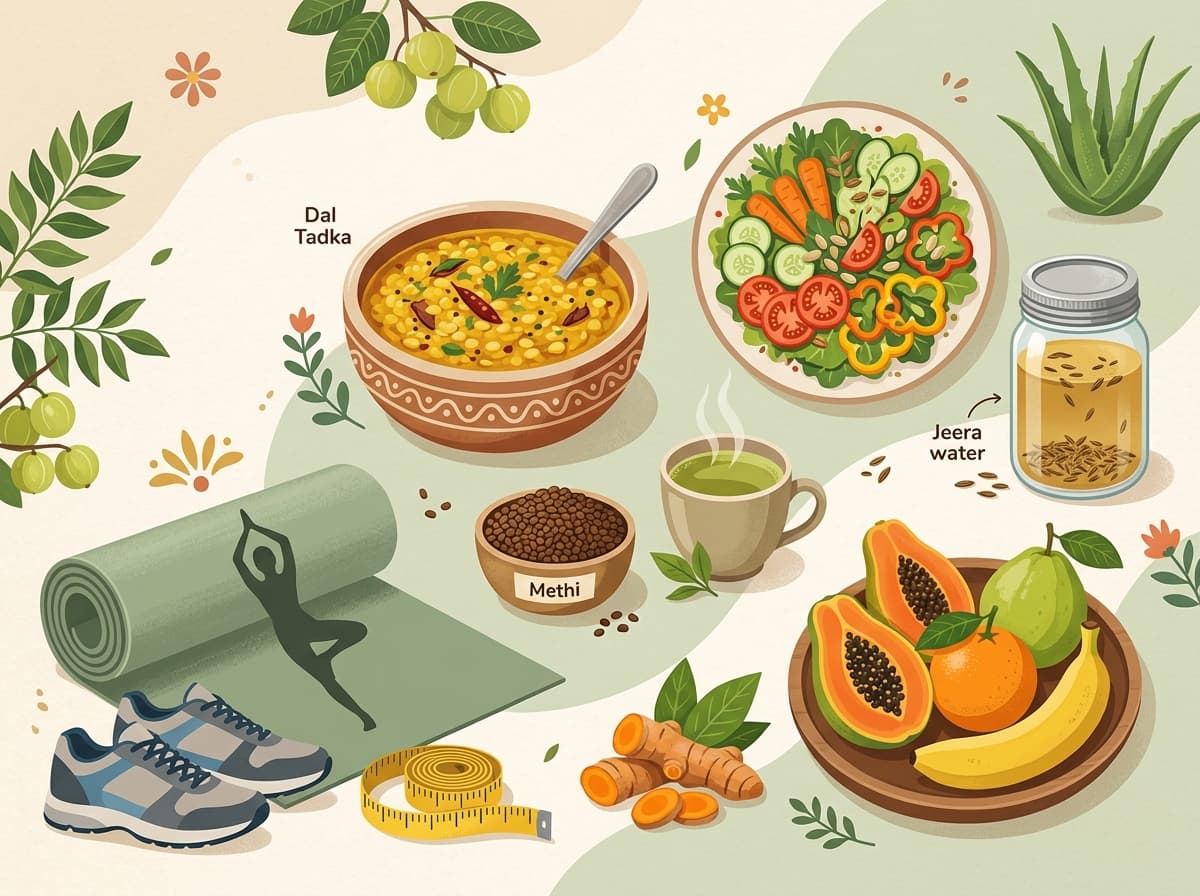
Restructure your plate: ½ plate should be non-starchy vegetables (lauki, tori, bhindi, palak, beans, broccoli, salad), ¼ plate lean protein (dal, rajma, chana, paneer, eggs, chicken, fish), and ¼ plate whole grains (1–2 roti of whole wheat or millet, or ½ katori brown rice). This simple shift dramatically reduces calorie intake while keeping you full. Use the katori (bowl) method for portion control: 1 katori cooked rice, 1 katori dal, 2 katori sabzi per meal.
2. Metabolism-Boosting Morning Drinks
Start your day with one of these traditional Indian metabolism boosters: Jeera (cumin) water — soak 1 tsp cumin seeds in warm water overnight, strain and drink in the morning. Cumin stimulates digestive enzymes and may improve fat metabolism. Methi (fenugreek) water — soak 1 tsp methi seeds overnight, drink the water and chew the seeds. Fenugreek contains galactomannan fibre that reduces appetite and stabilises blood sugar. Warm lemon-honey water — squeeze half a lemon into warm water with ½ tsp raw honey. Provides hydration and a mild metabolic boost.
3. Prioritise Protein at Every Meal
The biggest dietary mistake Indians make is insufficient protein intake. The average Indian consumes only 0.6 g protein per kg body weight — well below the recommended 0.8–1.2 g/kg. Protein increases satiety (you feel fuller longer), has the highest thermic effect of food (your body burns 20–30% of protein calories just digesting it), and preserves muscle mass during weight loss. Include protein in EVERY meal: eggs, paneer, curd/dahi, dal, sprouts (moong/chana), soy chunks, chicken, fish, or whey protein.
4. Walk 7,000–10,000 Steps Daily
Recent research published in the European Journal of Preventive Cardiology confirms that walking at least 7,000 steps per day significantly reduces all-cause mortality. For weight management, aim for 10,000 steps (approximately 7–8 km). Break it up: a 20-minute walk after each meal (post-meal walking reduces blood sugar spikes by 30–40%) is more effective than one long walk. Use a pedometer or phone app to track. Even for those with joint pain, walking on flat surfaces at a comfortable pace provides enormous benefits.
5. Embrace Strength Training & Yoga
Most Indians focus exclusively on 'cardio' (walking, jogging) for weight loss — but resistance/strength training is equally or more important. Building muscle increases your Basal Metabolic Rate (BMR), meaning you burn more calories even at rest. Start with bodyweight exercises: squats, lunges, push-ups (wall push-ups if needed), planks. Progress to resistance bands or light weights. Yoga — particularly Surya Namaskar (12 cycles burn ~150–200 calories), Vinyasa flow, and Power Yoga — combines flexibility, strength, and mindfulness. Aim for 150 minutes of moderate activity + 2 days of strength training per week.
6. Fix Your Sleep & Manage Stress
Aim for 7–8 hours of quality sleep every night. Create a sleep routine: dim lights 1 hour before bed, avoid screens (blue light blocks melatonin), keep the bedroom cool and dark, and avoid heavy meals within 2–3 hours of bedtime. For stress management, practice Pranayama (Anulom Vilom, Bhramari, Kapalbhati) for 10–15 minutes daily — research shows these techniques significantly reduce cortisol levels. Adequate sleep and stress management are not optional extras — they are foundational to weight management.
PRO TIP: The most effective weight loss strategy is one you can sustain for life. Crash diets (GM diet, keto, intermittent fasting extremes) may produce rapid initial results but have a 95% failure rate within 2 years — most people regain all the weight and more. Instead, aim for a sustainable 300–500 calorie daily deficit through portion control and increased activity. This produces 0.5–1 kg of fat loss per week — slow but permanent.
When to See a Doctor for Weight Management
Consult a physician, endocrinologist, or bariatric specialist if you experience:
- BMI of 23 or above (Indian threshold) with any metabolic abnormality — elevated blood sugar, cholesterol, blood pressure, or fatty liver
- Inability to lose weight despite consistent diet and exercise efforts for more than 3–6 months
- BMI of 27.5 or above with a life-threatening comorbidity like poorly controlled Type 2 diabetes, severe sleep apnoea, or heart disease
- BMI of 32.5 or above with any significant obesity-related health condition
- BMI of 35 or above — bariatric surgery is strongly recommended regardless of comorbidities
- Signs of hormonal disorders contributing to weight gain — unexplained fatigue, hair loss, irregular periods, cold intolerance (thyroid), or excess facial hair and acne in women (PCOS)
- Severe joint pain limiting mobility, or sleep apnoea requiring CPAP therapy
- History of repeated 'yo-yo' dieting with weight regain, indicating potential need for medical or surgical intervention
Medical & Surgical Treatment Options for Obesity
When lifestyle modifications alone are insufficient, evidence-based medical and surgical treatments can be life-changing — and in many cases, life-saving. Treatment is tailored to the individual's BMI, metabolic health, comorbidities, and personal goals.
Pharmacotherapy (Anti-Obesity Medications)
Anti-Obesity Medications Available in India
| Medication | How It Works | Expected Weight Loss | Best For | Key Considerations |
|---|---|---|---|---|
| GLP-1 Receptor Agonists (Liraglutide / Semaglutide) | Mimics the gut hormone GLP-1 — reduces appetite, slows gastric emptying, improves insulin sensitivity | 10–15% of body weight over 12–18 months | Obese patients with Type 2 diabetes or prediabetes; BMI ≥27 with comorbidities | Injectable (weekly for semaglutide). Nausea common initially. May also improve cardiovascular outcomes. |
| Orlistat (Xenical / Alli) | Blocks fat absorption in the gut by inhibiting pancreatic lipase — about 30% of dietary fat passes unabsorbed | 5–7% of body weight over 6–12 months | Patients who consume high-fat diets; BMI ≥27 | Taken with meals. Side effects: oily stools, flatulence, urgency if fat intake is high. Take fat-soluble vitamin supplements. |
| Naltrexone-Bupropion (Contrave) | Combines an opioid antagonist with an antidepressant — reduces food cravings and emotional eating | 5–8% of body weight | Patients with food addiction, emotional eating patterns, or concurrent mild depression | Not available as widely in India. Contraindicated in seizure disorders and uncontrolled hypertension. |
Bariatric (Metabolic) Surgery
Bariatric surgery is the most effective long-term treatment for severe obesity, producing sustained weight loss of 25–35% of total body weight and, critically, remission of Type 2 diabetes in 60–80% of patients, reduction in heart disease risk by 50%, and significant improvement in quality of life. The OSSI (Obesity Surgery Society of India) recommends lower BMI thresholds for Indians due to the higher metabolic risk at lower body weights.
Bariatric Surgery Options
| Procedure | How It Works | Expected Weight Loss | Recovery Time | Best For |
|---|---|---|---|---|
| Sleeve Gastrectomy (Gastric Sleeve) | Approximately 75–80% of the stomach is permanently removed, leaving a narrow 'banana-shaped' sleeve. Reduces food capacity AND the hunger hormone ghrelin. | 25–30% of total body weight (60–70% of excess weight) over 12–18 months | 2–3 days hospital stay; 2–4 weeks full recovery; return to work in 1–2 weeks | Most popular procedure in India. Simpler surgery, no intestinal rerouting. Excellent for patients with BMI 30–45. |
| Roux-en-Y Gastric Bypass (RYGB) | Creates a small stomach pouch (30 mL) and reroutes a portion of the small intestine, combining restriction with mild malabsorption. Powerful hormonal changes improve insulin sensitivity. | 30–35% of total body weight (70–80% of excess weight) | 3–4 days hospital stay; 3–6 weeks full recovery | Gold standard for patients with BMI >40, severe Type 2 diabetes, or GERD. Higher diabetes remission rate than sleeve. |
| Mini Gastric Bypass (MGB / OAGB) | Simplified single-loop bypass with a longer stomach pouch. Combines restriction and malabsorption in a technically simpler procedure. | 28–32% of total body weight | 2–3 days hospital stay; 2–4 weeks recovery | Effective for patients who are surgical candidates but need a technically simpler bypass. Slightly higher risk of bile reflux. |
| Intragastric Balloon (Non-surgical) | A silicone balloon is placed inside the stomach endoscopically (no surgery). Reduces stomach capacity temporarily. | 10–15% of body weight over 6 months (balloon is removed after 6–12 months) | Same-day procedure; mild nausea for 3–5 days | Patients with BMI 27–35 who are not candidates for or do not want surgery. A 'bridge' therapy before definitive surgery in very high-risk patients. |
BARIATRIC SURGERY ELIGIBILITY (OSSI/Indian Guidelines): BMI ≥ 32.5 with at least one obesity-related comorbidity (diabetes, hypertension, sleep apnoea, fatty liver, joint disease). BMI ≥ 27.5 with life-threatening comorbidities (poorly controlled T2DM, severe cardiovascular disease). BMI ≥ 35 regardless of comorbidities. These thresholds are 2.5–5 points LOWER than Western guidelines because Indians develop metabolic complications at lower BMI levels.
Prevention: 10 Habits to Maintain a Healthy Weight for Life
Preventing obesity — or preventing weight regain after loss — requires building sustainable habits. These 10 evidence-based habits provide the strongest protection:
- Eat protein at every meal — Aim for 1–1.2 g protein per kg body weight daily. Include eggs, dal, curd, paneer, chicken, fish, or soy at breakfast, lunch, AND dinner. Protein keeps you full, preserves muscle, and boosts metabolism.
- Replace refined grains with millets — Swap maida and white rice for jowar (sorghum), bajra (pearl millet), ragi (finger millet), and whole wheat atta. Millets have lower glycaemic index, higher fibre, and more micronutrients.
- Walk after every meal — A 10–15 minute walk immediately after eating reduces post-meal blood sugar spikes by 30–40%, improves digestion, and burns extra calories. This single habit can prevent 2–3 kg of weight gain per year.
- Limit liquid calories ruthlessly — Cold drinks, packaged fruit juices, sweetened lassi, sugarcane juice, and chai with 2–3 spoons of sugar are 'invisible' calorie bombs. Switch to plain water, nimbu pani (unsweetened), buttermilk (chaas), or green tea.
- Practise mindful eating — Eat at a table (not in front of TV/phone), chew each bite 20–30 times, and put your spoon down between bites. It takes 20 minutes for your brain to register fullness — eating slowly naturally reduces intake by 15–20%.
- Sleep 7–8 hours consistently — Treat sleep as a non-negotiable health habit. Sleep deprivation is one of the strongest independent predictors of weight gain. Establish a fixed bedtime and wake time, even on weekends.
- Weigh yourself weekly (not daily) — Weekly monitoring helps catch small weight creep early (before 1–2 kg becomes 10 kg). Use the same scale, at the same time, wearing similar clothing. Track trends, not daily fluctuations.
- Cook at home 5–6 days a week — Home-cooked Indian food is naturally healthier than restaurant/takeaway meals, which use 2–3x more oil, salt, and sugar. Plan meals, prep vegetables on weekends, and keep healthy snacks accessible.
- Build a support system — Weight management is significantly more successful with social support. Walk with a partner, join a fitness group, or involve your family in dietary changes. Accountability dramatically improves long-term success.
- Get annual metabolic health check-ups — Even if you feel healthy, get annual blood tests: fasting glucose, HbA1c, lipid profile, liver function, thyroid (TSH), and Vitamin D. Early detection of metabolic abnormalities allows intervention before obesity-related complications develop.
Obesity Myths vs Medical Facts
Common Obesity Myths Debunked with Medical Evidence
| Myth | Medical Fact |
|---|---|
| Obesity is just about eating too much and exercising too little | Obesity is a complex medical disease involving genetics (200+ genes), hormones (leptin, ghrelin, insulin, cortisol), gut bacteria, brain chemistry, medications, and environmental factors. Willpower alone cannot overcome biological drivers of weight gain. |
| Rice and roti make you fat — you must cut all carbs | No single food causes obesity. It is the total calorie intake, portion size, and balance of macronutrients that matters. Moderate portions of whole grains (brown rice, whole wheat roti, millets) are healthy and necessary for sustained energy. |
| Ghee and fats are the enemy — eat fat-free everything | Dietary fat is essential for hormone production, vitamin absorption (A, D, E, K), and brain health. 1–2 tsp of ghee per day is healthy. The problem is EXCESS oil — most Indian households use 3–5x more cooking oil than recommended. |
| Crash diets and detox juices are the fastest way to lose weight | Crash diets cause rapid water and muscle loss (not fat loss), slow down your metabolism, and have a 95% weight regain rate within 1–2 years. Most regain MORE weight than they lost. Sustainable moderate deficit is the only proven approach. |
| If I'm thin, I can't be obese or at metabolic risk | The 'thin-fat' phenotype affects 32% of Indians — normal BMI but high visceral fat, insulin resistance, and metabolic dysfunction. This is why measuring waist circumference and metabolic markers is essential, not just weight. |
| Bariatric surgery is 'cheating' or the 'easy way out' | Bariatric surgery is a scientifically proven medical treatment for a chronic disease. It achieves sustained 25–35% weight loss, 60–80% Type 2 diabetes remission, and reduces mortality by 40%. Post-surgery patients must commit to lifelong dietary and lifestyle changes. |
Dietary Do's and Don'ts: The Indian Weight Management Food Guide
What to Eat vs What to Limit for Healthy Weight Management
| ✅ Eat More (Weight-Friendly) | ❌ Limit or Avoid (Weight-Promoting) |
|---|---|
| Dal, rajma, chana, moong sprouts (protein + fibre powerhouses) | Deep-fried foods: samosa, pakora, puri, vada pav, bhatura — consumed regularly, not occasionally |
| Seasonal vegetables: lauki, tori, palak, methi, cabbage, beans, broccoli, bhindi (low calorie, high fibre) | Refined flour (maida) products: white bread, naan, biscuits, cakes, pizza base, pastries |
| Whole grains and millets: jowar roti, bajra roti, ragi dosa, brown rice, whole wheat chapati | Sugary beverages: cold drinks, packaged juices, sweetened lassi, chai with excess sugar, energy drinks |
| Eggs (whole eggs — the yolk contains essential nutrients), paneer, curd/dahi, buttermilk | Excessive cooking oil — most Indian households use 3–5 tablespoons of oil per person per day (recommended: 2–3 tsp) |
| Fresh fruits (guava, papaya, apple, orange, berries) — whole fruits, not juices | Packaged snacks: chips, namkeen, instant noodles, ready-to-eat meals, mithai consumed as daily habit |
| Nuts and seeds (almonds, walnuts, flaxseeds, pumpkin seeds) — 1 small handful daily | Late-night heavy meals: eating dal-rice or paratha after 9 PM, midnight snacking |
| Healthy fats: 1–2 tsp ghee, cold-pressed coconut or mustard oil, avocado | Excessive fruit juices (even fresh) — juicing removes fibre and concentrates sugar: 1 glass of orange juice = 4 oranges worth of sugar |
| Spices: haldi (turmeric), jeera (cumin), methi, dalchini (cinnamon), adrak (ginger) — anti-inflammatory, metabolism-boosting | White sugar in excess — hidden in tea, coffee, mithai, breakfast cereals, sauces, and 'health' drinks |
Special Considerations: Obesity in Children, Pregnancy & the Elderly
Childhood Obesity
With 41 million Indian children classified as overweight or obese, childhood obesity is now a national crisis. Key causes include excessive screen time (reducing physical activity), junk food marketing targeting children, sugary school tiffins, and parental beliefs that a 'chubby child is a healthy child'. An obese child has an 80% probability of becoming an obese adult. Prevention starts at home: limit screen time to 1–2 hours/day, encourage outdoor play, pack nutrient-dense tiffins (sprout chaat, fruit, roasted chana, buttermilk), and model healthy eating habits as a family.
Obesity During Pregnancy
Maternal obesity (BMI ≥25 before pregnancy by Indian standards) increases the risk of gestational diabetes, pre-eclampsia, caesarean delivery, and childhood obesity in the baby. However, pregnancy is NOT the time for weight loss diets. Instead, focus on healthy weight gain within recommended limits (5–9 kg total for obese women, vs 11–16 kg for normal weight), nutrient-dense foods, regular walking, and close monitoring of blood sugar and blood pressure.
Obesity in the Elderly
In older adults (60+), the priority shifts from aggressive weight loss to preventing sarcopenic obesity — the dangerous combination of excess fat with loss of muscle mass and strength. Focus on adequate protein intake (1.0–1.2 g/kg/day), resistance exercises to preserve muscle, balance training to prevent falls, and treating any underlying conditions (hypothyroidism, diabetes, arthritis) that contribute to weight gain and reduced mobility.
Recovery & What to Expect After Bariatric Surgery
For patients undergoing bariatric surgery, here is a typical recovery timeline:
- Day 1–2 (Hospital) — Clear liquids only (water, clear soups, sugar-free electrolyte drinks). Pain is managed with medications. Short walks encouraged within hours of surgery to prevent blood clots.
- Week 1–2 (Liquid Diet) — Full liquids: protein shakes, strained dal water, thin buttermilk, coconut water. Aim for 60–80 g protein daily through liquid supplements. Sip slowly — stomach capacity is only 30–60 mL.
- Week 3–4 (Soft/Pureed Food) — Mashed dal, soft paneer, scrambled eggs, curd, mashed vegetables, blended soups. Eat 4–6 small meals. Chew thoroughly. No drinking 30 minutes before or after meals.
- Month 2–3 (Solid Food Introduction) — Gradually reintroduce normal-textured foods: chapati (small pieces, well-chewed), soft rice, chicken, fish, cooked vegetables. Protein first at every meal.
- Month 3–12 (Rapid Weight Loss Phase) — Most dramatic weight loss occurs in this period (1–2 kg/week). Take prescribed vitamin and mineral supplements (B12, iron, calcium, Vitamin D) daily — lifelong after bypass procedures.
- Year 1–2 (Stabilisation) — Weight loss plateaus as the body reaches a new set point. Continue high-protein diet, regular exercise (strength training is essential), and attend follow-up appointments every 3–6 months.
- Lifelong (Maintenance) — Annual blood tests for nutritional deficiencies, continued healthy eating habits, regular exercise, and psychological support as needed. Bariatric surgery is a tool — long-term success requires permanent lifestyle commitment.
SANJIVANI HOSPITAL — YOUR PARTNER IN WEIGHT MANAGEMENT: Our Department of General Medicine and Surgery offers comprehensive obesity evaluation — including metabolic health assessment, hormonal screening, dietary counselling, and referral for bariatric surgery when indicated. Whether you need a personalised Indian diet plan, medical management with anti-obesity medications, or an evaluation for weight loss surgery, our experienced team is here to help. Book a consultation today.
The Bottom Line: Key Takeaways
Remember these essential facts about obesity and weight management:
- Obesity is a medical disease, not a character flaw — it involves genetics, hormones, gut bacteria, brain chemistry, and environment. Blaming willpower alone is scientifically inaccurate and harmful.
- Indian BMI thresholds are lower — a BMI of 23 is 'overweight' and 25 is 'obese' for Indians. Measure waist circumference (men: <90 cm, women: <80 cm) and get metabolic blood tests, not just weight.
- The 'thin-fat' phenotype is real and dangerous — 32% of Indians have normal BMI but high visceral fat and metabolic dysfunction. Don't assume you're healthy just because you look thin.
- Sustainable lifestyle changes beat crash diets every time — a modest 300–500 calorie daily deficit through balanced eating, walking 7,000+ steps, strength training, adequate sleep, and stress management produces permanent results.
- Medical and surgical treatments are effective and safe — when lifestyle alone isn't enough, anti-obesity medications and bariatric surgery are scientifically proven life-saving interventions with excellent outcomes. Seeking help is a sign of strength, not failure.